Showing posts with label post-punk. Show all posts

Thursday, June 23, 2011

Great Regional Compilations of the U.S. Punk/Hardcore/Underground Era Part One: the CLEVELAND CONFIDENTIAL 7" (1980) and LP (1982)


Over the decades, the Cleveland punk scene of the late ‘70s/early ‘80s has developed a well deserved mystique. While Ohio surely had important goings-on statewide, particularly in Columbus and Akron, it’s really no argument that Cleve-o ruled the punk/u-ground roost, steadily secreting a dark and bilious strain of oppositional noise that reflected their locale’s rep for pollution, malaise and stagnation. Some bands practiced a pummeling and nihilistic pure punk brutality (The Pagans), others conjured up a potent blend of art and rock that someone coined avant-garage (Pere Ubu), and a few mixed these extremes into a harried mess of anti-social sound (Electric Eels). And it wasn’t just a handful of band’s on which the city’s rep rests.


The young Mike Hudson

The Pagans’ Mike Hudson formed the record label Terminal and did a fine job of documenting just what was happening in Cleveland at the dawn of the ‘80s with a couple of essential compilations, both titled CLEVELAND CONFIDENTIAL. The first was a six-song 7” EP, the latter a 15-track full length album, and the pair do a thorough job of documenting the area’s deep and varied activity during the period. By the point of their release the possibility of realizing any kind of widespread commercial success playing raw punk was basically nil, and these two comps avoid any last-gasp-grasping for that elusive/bogus brass ring and were instead clearly preoccupied with annotating the assorted personalities and styles of a community that was engaged in a small-scale, basically local exchange of ideas. The Overground label has combined the contents of these records onto one CD, but I don’t have it, and since the careless mislabeling of two tracks makes their endeavor seem rather mercenary (or at least lazy), I doubt it will ever fall into my possession. Plus, the CD places the 7” after the album, and that’s another error. Sure it’s a mistake that’s easily corrected with the pressing of a few buttons, but it seems rather obvious from simply listening to the records that chronological sequencing was the appropriate way to go. The EP serves as an attention-getting jab, and the LP still stands as a walloping haymaker full of the artful channeling of anger, alienation and dysfunction. But enough carping from me. The CD is no longer in print anyway, so if you don’t want to pay collector prices to hear this stuff a studious search of the internet is the smart way to proceed. And since petty theft and the illicit sale of amphetamines helped to fund the production of these records (so sayeth Mr. Hudson), it’s not like anybody can get all high and mighty if you just snatch the tracks from the web. And if you do, try to secure and listen to the EP tracks first, for that swell half-dozen deserve to function as more than just an addendum.


the 7''

Hell, The Clocks’ riffy rethink of The Stones’ attitudinal cornerstone “Time Is On My Side” displays a fine level of workaday invention, and things just roll from there with a nice diversity of texture and sensibility. That The Pagans’ “Cleveland Confidential” rules the roost here shouldn’t be a surprise, since they were one of North America’s greatest punk bands (and still unheralded relative to their level of quality), with this track being no exception, featuring wall-to-wall guitar throttling (and a gorgeous solo), a brilliantly basic rhythmic attack, and wailing/squealing vocals via Hudson that pierce the air like a slightly less overwrought Bobby Soxx. It’s some seriously primal huffing. Invisibles explore a similar zone, but their wigged-out rave-up ultimately feels a bit like a more punk-reverent Midwest-version of Urinals. Broncos really stick out with an arty/oddball mix that falls somewhere between shambling and catchy. “TKO” eschews distortion, embraces the vocal style of a sleepy nerd (which is a great vocal style to embrace) and rides a loping mid-tempo into territory that’s not far from what was happening in UK DIY during the same period. The Impalers and AK-47’s both utilize a sludginess that became a major component in u-ground rock roughly a decade later, though the former’s “Hit and Run” is a femme-voxed belter (makes me think in the gal-wing of the ‘90s Pacific Northwest scene) and the latter’s “Accident” is more of a slow grinder (recalls “My Dad’s a Fucking Alcoholic” by Denver’s The Frantix, though no, it’s not as great as that classic).


The Pagans

What these six tracks emphasize is a general disinterest in the streams of developing punk orthodoxy, particularly the need for speed over time-tested rock dynamics. Hardcore never really gathered much steam in Cleveland, at least not to the extent of igniting any kind of historically relevant scene. What caught on instead was a mix of classique punk spirit crossed with various strains of stark subterranean rock invention. And the results still kick out sparks and shards of heavy relevance. The LP’s level of misanthropy starts strong with “Cry 816” by The Womanhaters, who were essentially a brief Mike Hudson affair between the first two incarnations of The Pagans.


The LP

They avoid standard punk qualities in favor of pulsating blues-like slide guitar swampiness, and the atypical throb helps to register the band’s moniker as darkly literary ala Jimbo Thompson (and prescient of Pere Ubu’s 2006 CD WHY I HATE WOMEN) instead of just a cheap ploy for attention through shock value (My!! Those boys sure are misogynistic!). And the song features vocal assistance from Laura West and Mary Hudson (Mike’s wife), their growl really helping to thicken the stew. So it’s doubtful they hated women all that much. Impressive stuff for starters. The band Severe feature Broncos’ vocalist Keith Matic and bassist Tim Allee, and they tone down the quirk in favor of a quick and heavy grind that’s not that far away from early Cali beach punk. But weirder. Since I don’t have Hudson’s notes in front of me, I’m not really sure how Menthol Wars fit into this picture. Soon to be famous artist Robert Longo was the Wars’ singer, and much info points to them as a New York band.


Robert Longo

Well, there’s always been a NYC/Cleve-o connection, so it all feels right. On “Even Lower Manhattan” Longo’s vocals sound a bit like a slightly more agitated Ric Ocasek and the music lands somewhere between keyboard-driven wave-oid herky-jerk and an anonymous Coyote Records’ band. It kind of makes me want to pin badges (or buttons) onto a threadbare thrift-store suit jacket. How trendy of me.Defnics’ “Suicide Trip” offers inspired riff-chug bombast augmented with extended slashing soloing and a saliva-drenched microphone. Grouchy stuff.


Robert Griffin is known by some as the guy who started Scat Records. Many more people know Scat Records at least indirectly as the label that helped propel Guided By Voices to international fame and countless hops-inspired bathtub slumbers. But back before that, as a young teenager, he joined up with a bunch of other youths (13-15 years of age) to form The Dark. And if you’re hoping for Red Cross you’ll be disappointed. Instead, “I Can Wait” features some thick doomy crunch before undergoing the sort of up-tempo shift that countless ‘80s punk bands so heavily embraced. Any city or region with a sizeable scene likely had a band or three that sounded like The Dark, and at this late date that’s pretty okay. I’m sure it would’ve been even better live. On the other end of the spectrum, there were very few bands anywhere that sound like The Styrenes. Formed in 1975 from the ashes of the brilliant proto-punk band Mirrors by Paul Marotta and Jamie Kimmik, The Styrenes played a major role in Cleveland’s proletarian art attack, and any history of the city’s soundscape that doesn’t address their importance is woefully incomplete. The track included here, Marotta’s “Jaguar Ride” differs radically from its previous appearance in the discography of Electric Eels, where it existed as a caustic dose of street-punk in the lineage of The Stooges. Here it’s nicely mut(il)ated into a choppy, strummy shout-along with vocals that suggest a Noo Yawk drug-friendly incarnation of J. Richman, cosmopolitan/slummy scarf wearing attitude and all. At under a minute thirty they provide the record’s most concise and yet most expansive statement. At least up to this point.


The Styrenes

If the Styrenes seem like a hard act to follow; well, yeah. But Invisibles make a return appearance from the 7”, and frankly those fuckers have moxie, giving more of that insistently minimalist Happy Squid-like sound, with fi as lo, at least on the punk front, as anything this side of The Injections’ “Prison Walls”. The band’s sole discography consists of these two comp tracks, both recorded live, and the lore surrounding them suggests difficulties of artistic temperament contributed mightily to their scarcity of catalog. Drinking in one long look at Bernie Invisible (see here) radiates a vibe not unlike that produced by a character from an unfilmed early Jarmusch screenplay, the kind of snarky miscreant that drives everyone in his proximity half-batshit. Yet leeway is given for it’s understood that the skinny, obnoxious urchin just might be capable of great things. And in their own small way Invisibles proved up to the task, opening for Talking Heads at CBGB and Cramps in their own backyard. I’d love to hear the rest of those live tapes, if they weren’t impulsively chucked into the flaming Cuyahoga. Lab Rats close side A with a faithful yet cacophonous cover of the Shocking Blue warhorse “Venus”. Appearing roughly four years prior and to absolutely no fanfare, it’s still almost enough to wipe my memory banks clean of the ’86 “hit” version by those glitzy models in Bananarama. Where the excellent original has always felt a bit like Grace Slick trying for a solo one-off pop hit from back before the Airplane so horribly crashed and morphed into the ungainly thing that was Starship, this version is more like late ‘70s Patti Smith attempting the same sorta feat but without the songwriting auspices of that Fonzarelli-wannabe Springsteen. There are wheezing horns, a wheedling synth and a general high level of racket, so high in fact that any pop potential is most assuredly illusory (But I ask, can we not, should we not dream?). Opening side B, Keith Matic steps out front with his third contribution to the record, “I Really Want to Stay (Lost In Rome)”. It’s his most fully realized effort in conventional rock terms, though it still has its punk roots showing through the toughness of the instrumentation. Songwriting wise, it hints at a slightly poppy ‘60s inclination, which fits well with the sorta-nationwide tendency in this period as many grew upwards from basic punk beginnings and started moving beyond the standard proto-punk cornerstones (think Paisley Underground and the early Athens and Hoboken scenes). At its best, this movement forward by looking back avoided the trappings of phony post-new wave posturing, and Keith Matic is a fine example. The guy’s collected tracks share definite commonalities (alienation over anger, popish bedrock) yet are still distinct. It’s enough to make him appear like a neglected figure. Wow, another one. To be blunt, a name like Jazz Destroyers basically demands that Borbetomagus-like levels of clamor and scree be attained. Or at least Last Exit. Well, the band falls so short of this mark that I kinda feel like a jerk for even bringing it up.


Dave E. circa-Electric Eels

Where Dave E.’s previous band Electric Eels did create quite a bit of momentary noise-skronk havoc that acknowledged the exquisite mayhem of free-improv (without actually being comparable to the genre), “Love Meant to Die” is ultimately far too mannered and flat out structured to disrupt much more than a church picnic. It is a good tune, though. They just set themselves up for derision with their provocative name. Offbeats have gathered a bit of retrospective panache over the years as one of ‘80s Ohio’s more traditionally minded punk acts, and their slightly poppy and highly speedy “I’m Confused” shows that their oeuvre is more than worth the effort. At those times when nothing but unfettered punkoid velocity and tunefulness will do the trick, Offbeats should fit the bill quite nicely, without leaving the impression of wasted time.


Speaking of punk, Pagans’ “Boy Can I Dance Good” is so infused with vocal snot, guitar snarl, bass throb and spot-on drumming that it’s a dead ringer for this comp’s best straight-up punk cut. And with backing vox from Pere Ubu’s own David Thomas, it has much added historical interest. Now, Red Decade’s “Scars of Lust” is where the situation really takes an unexpected turn. Over eight minute’s worth of riffy, angular instrumental hoo-hah that utilizes the usual rock lineup with saxophone added, it’s a tour de force of being stuck between cyclical holding patterns and forward momentum. As such, it’s more than slightly reminiscent of No Wave, except Red Decade doesn’t really appear to have any Noo Yawk-style chips on their shoulders. Hudson favorably compares them to Glen Branca, and yeah I can hear it, but I don’t think I would’ve made that connection without his assistance. It might also be appropriate to compare this to the outsider Cali art damage that hung around the fringes of that state’s punk scene in the early ‘80s. Not so much the L.A.F.M.S but more so the sweetly weird shit that was splattered upon the side 2’s of those long lost LIFE IS…. comps. “Scars of Lust” is much more fully realized than that stuff though. So, hey. Hey! I just know there was a busload of folks scratching their heads and cursing over the inclusion of this one.  What a cool prospect. Now, cool of an entirely different sort is John Lovsin’s slice of guitar-pop brilliance “Key of E”. So unapologetically polite in comparison to everything else here that it sticks out like a sore something or other, it’s also a flat out joy. That politeness factor also keeps me from corralling this into the arena of power-pop; instead of exuberant attitude it excels at the elevation of a downtrodden sensibility. But since this is pop, it never gets too caught up in its own emotions. And not even a blip of artiness. What a standout. Now to wrap things up, let me just say that in my estimation there is only one Jim Jones. That Guyana Cult guy? Dead to me. The real Jim Jones was a Cleve-o fixture, adding luminous invention to not only early Papa Ubu and the excellent Home and Garden, but also to the justifiably legendary Easter Monkeys, whose “Cheap Herion” wraps up this LP.


Easter Monkeys

A molten slice of advanced avant-garage mulch, the tune grinds and bruises into a mid-tempo groove, with the doom laden pulse leaving spacious room for an extended dialogue between a scathing, agitated guitar and a squealing, anguished synthesizer. Urban disaffection doesn’t get any better. One of the most galvanizingly lost of all lost bands, Easter Monkeys prove in one cut that all the hot air and drool spent over the rarified status of the Cleveland Ohio underground has been well deserved. If anything, the city (and state) might still be a mite underestimated. Times have certainly changed and the environment(s) that helped shaped the type of hyperactive regionalism on display here is likely gone forever. Most of the folks on CLEVELAND CONFIDENTIAL probably had a difficult time connecting (both emotionally and in the flesh) with people on the other side of their forsaken city, much less on the other side of the globe. But they managed to dodge the slings and arrows of fucked-up circumstance and get it all done anyway. Good job, Hudson. You can rob me anytime.

The old Mike Hudson

Friday, May 27, 2011

Monday, February 9, 2009

The Week in Listening 1/19 - 1/25

1/19/09- Bon Iver- Blood Bank CDEP 2009
Versus- Hurrah CD 2000
Sebadoh- Bubble and Scrape CD 1993

1/20/09- Minutemen- Double Nickels on the Dime CD 1985
The King Khan and BBQ Show- self titled CD 2007
Souled American- Fe CD 1988
Souled American- Flubber 1989
Slovenly- Thinking of Empire LP 1986

1/21/09- Shoes This High- The Nose One/A Mess b/w Foot’s Dream/Not Weighting 7” EP 1981
This Kind of Punishment- self titled LP 1983
Big Black- Lungs EP 1982
Scritti Politti- Early CD 2005

1/22/09- The Feelies- Paint it Black 12” EP 1980
The Feelies- Only Life LP 1988

1/23/09- The Go-Betweens- Lee Remick b/w Karen 7” 1978
Crystal Stilts- Alight of Night CD 2008
Television Personalities- 14th Floor b/w Oxford Street W1 7” 1978
Television Personalities- Part Time Punks b/w Where’s Bill Grundy Now? 7” 1978
Jeff Simmons- Lucille Has Messed My Mind Up LP 1969
Bunky & Jake- L. A. M. F. LP 1969
The Druids of Stonehenge- Creation LP 1968

1/24/09- Yo La Tengo- And Then Nothing Turned Itself Inside Out CD 2000

1/25/09- Magma- Kobaia 2LP 1970


Fontaine Toups of Versus playing live at The Black Cat, Washington DC


MONDAY 1/19- In the vast sea of indie bands that washed over the ‘90s, Versus was special. They were indisputably a guitar band, though they were far too melodic to be described as noisy, even if they would bear down and explode with a blast of distorted dynamics on occasion. The band tended toward a tuneful prettiness (though never preciousness) that endeared them to the legions of fans of the K/Teen Beat/Simple Machines/Slumberland/etc corner of the era’s scene, while possessing qualities that helped them to stick out: foremost was how they deftly avoided being consumed by their influences, two big ones being Sonic Youth and Mission of Burma. In the case of SY, Versus soaked up elements of that band’s unique melodic sensibility and then married it to brevity and occasional subtle loud soft tactics that were unlike just about anything that was really happening with their peers at the time. Burma always seemed more like an inspiration than a specific influence (giving the band their name), but there are moments where the connection is overt. The other factor that assisted Versus in standing apart relates to image, attitude and lyrical content. I’ve gathered the feeling that the band (or at least Richard Baluyut and Fontaine Toups, the two members who are the main engine of the songwriting and vocals) were never really comfortable or pleased with a fair amount of indie rock’s (or pop’s, more appropriately) tendencies during this period. Toups always seemed somewhat reluctant to be a spokesperson for the generation of empowered women that Riot Grrl lit a spark under (though because of this she sort of was anyway), and Richard often appeared to be battling to suppress a mild distaste with the trendy/herdy behavior which was sometimes prevalent in the indie scene at this time. He struck me as a snide misanthropist at points, and a bit of a lyrical provocateur. He would tackle sexual topics either as a wet-lipped lothario or as a bruised and pissed victim: either way, he was engaging in adult subject matter in the midst of many who were indulging and encouraging an embrace of things childlike (lunchboxes as purses, anyone?). By the time Hurrah appeared Versus had refined their sound to the point of near scientific bliss, upping the ante in the songwriting department and reveling in transcendent shifts in volume and intensity, while also providing a platform for some of Fontaine’s best vocals and words (playing, too). When many speak fondly of this band, they are specifically referring to the Teen Beat era, and while that was a lovely period, the Merge releases are just as stellar (so are the Caroline recs, for that matter). Maybe I’m a pushover, but I haven’t heard a bum note from these cats. Here’s hoping they turn up at this year’s Merge Records anniversary extravaganza. They opened for Burma last year, so it’s not an unreasonable expectation.
Sebadoh, like just about all the other major players in the American low-fi phenomenon, eventually grew their sound to the point where their fi was as high as anybody’s. The record where they took the big jump was III, which certainly feels like a normal release that could be purchased in a store with carpeting and those horrid plastic CD racks even if it sounds at times wonderfully fucked. But III did have a quality of offhandedness in its assemblage, as if the contents were almost randomly ordered except for its opening and closing tracks. Bubble and Scrape, however is as study in shrewd audio construction. It feels considered in a way that nothing that preceded it did, and it’s anchored by the essential placement of three songs. “Soul and Fire” couldn’t be anything other than an album opener, all numb and melancholy acceptance, while the music moves in a lethargic gait to almost approach something like rocking. I’ve met more than a few people who treat this song like a heart shaped amulet that rests snuggly between their cleavage, and it is indeed a major statement. But so is “Homemade”, which strategically starts the home stretch for this disc with some loose and slightly stunted hard-rock bombast, the drums reaching for a cathartic busyness (in the best sense), the guitars burning with a twisted directness, and when Lou rages his angst in that booming wounded “ex-hardcore and proud” voice that pours out of him like the spirit of a six-band all-ages matinee, it all comes together with stoned precision. And that voice gets an extended chord-shredding workout on the album’s closer, “Flood”, a song that’ll blow the collective doors and windows off of any trailer park you care to inhabit. This shouldn’t infer that the other tracks are something other than delicious and moving. No, this baby is chock full o’ goodness, with “Happily Divided” standing as an anthem of sorts. It’s just that the three above songs hit with such perfect gusto that they demand mention above the rest. Bubble and Scrape is simply a classic record, wisely rendered and proudly abnormal.


TUESDAY 1/20- Minutemen are one of the top tier bands of all time. And Double Nickels is possibly the greatest rock trio double LP ever recorded. The intuitive understanding that the three members share with each other, the stunning songwriting, the comfort and intensity that all three of these classic dudes apply to their instruments, the intense emotional statement that is the record’s cumulative effect, and the legacy that’s ensued mark this document as an unqualified masterpiece. It does have peers, but the only 2LP by a trio that nears its scope and beauty that immediately springs to mind is The Jimi Hendrix Experience’s Electric Ladyland. It might seem like I’m nitpicking a bit with this trio business, but to me the essence of a three piece lineup presents a special, no-nonsense style of rock music that thrusts all the participants to a high level of interaction and also puts the music under a sharp spotlight due to the lack of room for the players to hide. And that’s the thing, in trios the members are almost always players, since rock music basically necessitates at least three instruments to cook up the fire and tension that’s inherent to the form. This means that the often frustrating presence of a non-instrument wielding vocalist is absent from the proceedings. To me, this is a good thing. I ultimately prefer the Experience and Cream to Led Zep because the first two lack the sometimes senseless (or tasteless) histrionics of Bob Plant (quit throwing stones at me). Trio rock and roll at its best possesses the directness that reaches back to the form’s earliest days, where grit and spit and shit turned into giddy, inspired mayhem. And Double Nickels is like a genius split between the classic ideas laid down in Sun studios and the more knowing (though not yet self-conscious) expansiveness that marked the genre as the “and roll” fell off it’s name. This is a huge deal, because this record (this BAND) always existed as a reminder of what three non-pretentious and severely determined proles could achieve. Even when these guys were at their most jazzy, there was (is) never a distancing factor, or put another way, it never felt for an instant like the music or personalities were above the ears and hearts of the listeners, existing in a tower where they were to be looked up to and idolized. Minutemen were ground level stuff, always interacting and respecting their scene’s participants as peers, and if the girl or guy who was talking with Boon or helping Watt or Hurley load out gear couldn’t play like them, it was clear as crystal that this was due to the reality that Minutemen LIVED as musicians, that music was inseparable from their daily lives, and when this is the case extensive practice and playing becomes not a method toward the goal of virtuosity, but is instead a constant ritual of understanding and life-affirmation (I think this is the sense in which they are most similar to the jazz musicians that influenced them). Treating Minutemen like a life-lesson might get on the nerves of some, but fuck it. Their music has CONSTANTLY lit a fire under my sometimes shiftless ass, and celebrating them as a beacon of inspiration that comes unattached with any bogus Hallmark bullshit seems perfectly natural.


King Khan and BBQ Show play a loud and loose celebration of various forms of basic rock and roll as junk as gold as the soundtrack to body flailing, sweating, making out, drinking, wrestling, fucking, and numerous other activities impulsive and gratifying. They can soak up with stumping simplicity elements of garage, punk, rockabilly and doo-wop, toss in a bunch of non-ironic hyphens, and then spew out a stream of party oomph that can please wizened fans of Hazil Adkins as well as youngsters hep to German experimental techno. The dent that this duo has made in the indie scene (along with stuff like Dirtbombs and Jay Raetard) seems to relate to their inclusive attitude (where everybody is welcome to let it all hang out) while concurrently remaining true to the root-forms that inspire their sound. Khan looks like a Bollywood Little Richard, wears dresses and silver wigs, and is extrovert personified, so being cliquishly aloof doesn’t really figure in the equation. Mark Sultan a.k.a. BBQ is the calmer of the two, but that doesn’t mean he’s any less encouraging of irresponsible behavior. He’s the rhythmic bedrock that simultaneously gives this stuff its shape and helps to launch it into the atmosphere. It’s the vocalizing of the pair that brings it all home. Many bands in this field seem to work best in the single format where they don’t have a chance to let generic tendencies get the better of them. These guys however can hold it together (and then some) over the course of a substantial full length, displaying admirable songwriting ability. I’m predicting that this one will go down as a reliable party standby.


WEDNESDAY 1/21- Big Black is rightly regarded as one of the heaviest and most confrontational bands of the original “indie” impulse, but it wasn’t always that way. Lungs is Steve Albini all by his lonesome, multi-tracking a short slab of chilly post-punkishness which gives pointers to the stone-faced attitude that later helped define Big Black as the leaders in love them or loathe them noise rock. Musically, it’s a much more palatable affair. It’s been said that Albini disdains this recording, and it’s not hard to see why, since part of Big Black’s success was always rooted in kicking up a storm of parent killing ruckus that matched the (sometimes regrettable) lyrical content. This made the provocative nature of the whole very hard to shrug off, and has directly led to their lasting relevance; listening to Big Black at age 37 is still worthwhile, though naturally a different experience than at age 17. Twenty years ago it felt truly subversive to blast this music. The subject matter was like reading a true crime tabloid while on some horrendously bad acid. Almost nobody else was venturing into this kind of muddy unease, and the fact that guitars didn’t sound quite this corrosive and drum rhythms didn’t pound with an inhuman aggression quite like this in anybody else’s hands simply intensified the experience. The secret weapon was always Dave Riley, who either laid down some of the most superbly heavy basic pulsing I’ve ever heard or would approach a menacing funkiness that ultimately influenced a score of lesser bands, many of them industrial and dance-like. No matter. The sound of Lungs lacks so much of what Big Black became, instead sounding like what it was, a bedroom recording project that holds a bunch of historical value and a fair amount of sonic interest, but only musical hints of what was to come. If you love Big Black and haven’t heard it, you need to. It is a good one. Just don’t expect Atomizer or even Headache. Like I said, it’s only a good one.


On the other hand, there’s Scritti Politti. One of countless examples where a band’s initial recordings stand head and shoulders above what they did later (from my perspective, anyway), they are also notable for the seismic shift in their sound. So large is the gulf between where they started and the place they ended up (or are now. It’s been an on again off again proposition) that they basically have two different sets of fans. And this isn’t a case of a later chart topping band starting out as an inspired and appealingly inept punk act. Scritti Politti are a cornerstone in the annals of intellectual post-punk, as well as being one of the trailblazing bands on the early Rough Trade roster. Any short list of my personal Brit post-punk’s high points will always include “Is and Ought the Western World”, which remains a masterpiece of creeping catchy complexity. The music released under the Scritti Politti name (it slowly ceased to operate as a band, becoming essentially a vehicle for principle member Green Gartside) slowly changed until it ceased to resonate with me at all. The knee jerk reaction would be to decry them as morphing into a haircut band, but that misses a big point. As Gartside’s tastes changed and became more refined, he adapted them to whatever his lyrical (often philosophical) interests were, letting the chips fall where they may, often on the pop charts. His musical vehicles include soul, reggae and hip hop. It’s a very post-modern affair, where ideas like refinement and progression of a defined personal sound are looked upon as being rather antiquated. It’s also a highly British sensibility that harkens back to Bowie. It’s not an approach that bugs me in the slightest, but in this specific case all but the earliest results (collected on the disc listed above) leave me wanting. I do dig “The Sweetest Girl” (Early’s final track), though. Just not a much as “Skank Bloc Bologna”.


THURSDAY 1/22- The Feelies are essentially a classicist proposition, so it’s sometimes difficult to convince others of why they happen to be such a big deal. A case can certainly be made for their examination of the Velvet’s template that, like Jon Richman before them and Galaxie 500 after, lacked even a pinch of poseurism. Not that I’m a raging poseur-phobe. Acting like a low rent New York ahht junkie is certainly less offensive than being a Republican. But I digress. My point is that The Feelies’ VU moves are so devoid of affectation that many don’t even really notice them as being from that source. I wanted just a small taste of the debut album before moving on to Only Life, and the above 12” was the perfect place to get it. The Stones’ cover is solid slab of cap-tipping from a group that was so unconcerned with sand drawn lines that they covered The Beatles as well. The flip side hits many of Crazy Rhythms’ sweet spots, my personal favorite being “Raised Eyebrows”, which is as sweet a mixture of ache and elation to have ever graced my ears, the aural equivalent of the conflicting emotions you’d possibly get while driving away from a well-loved place you’ll never see again en route to somewhere rife with new possibilities. It’s gnawing guitar-pop flawlessness. Only Life is probably considered by many to be the band’s apex, due to the profile it helped them achieve. That’s fine, because the album’s fine. The “single” from the record, “Away”, is a succinctly appropriate example of their essence, which was spirited, often hyperactive and always catchy riff worship that could send a crowd into spastic pogo frenzies. By the time the closing cover of “What Goes On” hits the needle, the case for The Feelies has been soundly made, the finale serving as a celebratory summation of these guys’ unfettered righteousness. It’s as natural and invigorating as a homemade milkshake and just as tasty.


Can't believe I missed this show.....

FRIDAY 1/23- The Go-Betweens are lauded as one of the greatest of Aussie bands, but I’ll confess that until now I’ve had a hit and run relationship with them. What I’ve heard has always felt nice, but a convoluted pile-up of circumstances has prevented me from giving them their due. Well, it’s 2009. The neglect must cease. So, getting in on the ground floor seems wise. The “Lee Remick” single is a mildly cheeky bit of pop-culture tomfoolery that grows with familiarity. It has the surface complexion of no-big-dealness, but underneath there is a deft intelligence to the smart-alecky celebration of the cinema actress that played so well in Preminger’s Anatomy of a Murder. If they’d never released another record, you can bet this baby would already be snugly programmed on some revered anthology of essential one-offs from the wide open post-punk (chronologically, not stylistically) period, where it would inspire countless celebrators of the obscure to champion it and stick it on their own personally compiled (and therefore superior) mixes of the songs the populace was too stupid to succumb to. But hey, The Go-Betweens were no one-off. And while I’m far from an expert on their legacy, I know enough to state bluntly that this single is in no way representative of why the band is so well loved. It is the sort of laudably minor youthful grasping that’s immortalized the garage as a locale for activities far more worthwhile than car storage (park that jalopy in the yard). That it’s also a building block for the cut of the jib of a legendary band is just bonus. And hey, the flip is hip as well. An ode to a gal-ish axiom, it saunters up like a well-read smoothy version of early Jon Richman. Dare I say that in a year I’ll be calling this 7” a classic?
If you liked the Crystal Stilts EMusic EP, it’s doubtful that the full length (on Slumberland. Nice comeback!) will leave you disappointed. The recording seems a bit larger without being more polished, and the opening track “The Dazzled” hits just the right balance of mope and clang. The Stilts main focus is geared toward perfecting a memorably specific sound (instead of versatility) and they achieve this rather well from the evidence here, summoning up waves of melodically claustrophobic echo with spicy touches (notably basic drumming, well shaken tambourines, keyboards that alternately swirl or buzz). Noise-pop is a wonderfully appropriate contradiction, and it applies here: the computer speakers are around 12 inches away from me, and the music is surrounding my headspace like custard. The parameters of pop form give it an appealing familiarity, and I’m starting to think this band has the potential for real staying power and longevity. I’d drive an hour to see them play live, particularly if the club was the size of a shoebox and smelled like clove cigarettes.
Television Personalities are well-loved by me, and the first couple singles show how quickly main TVPer Dan Tracey navigated into his particular corner of the UK’s eccentric brigade of post-punkers. While TVP are rightfully associated with the Rough Trade scene (the classic debut album being released on that label), it’s worth noting that the first two singles were released on two different imprints (assumedly distributed by Rough Trade, though), and that both hit the racks in 1978. Thirty years after these 7”s were recorded there exists tidy categories to put bands like TVP into, but at the time it all really fell under the banner of punk, which is sometimes a more appealing way of looking at the whole affair instead of breaking it down into a couple hundred sub categories, or calling anything that isn’t unabashedly 4/4 to the floor throttling ramalama “post-punk”. One of the qualities that was so gripping about the Wanna Buy a Bridge? comp (released by Rough Trade and including “Part Time Punks”) was the wide differences in sound between the bands. TVP were the progenitors of a style that eventually came to be known by some as twee-pop, but it’s interesting how unique Tracey’s work still sounds after hundreds of groups rode the wave of his impulse. A big reason why is due to the almost absurd Brit-centric nature of the whole thing. The music crash lands smack dab between shambolic and ornate, shuffling along amateurishly with a coy catchiness that’s often subverted smartly by disjointed and stilted vocalizing. “Part Time Punks” is a peerless classic that any fan of Calvin’s K empire needs to hear. The weird lope of its gait has only grown over time, and TVP are as worthy now as when I first dropped needle on Wanna 15 years ago. Good on ‘em.


The Television Personalities


The ‘60s coughed out so many goddamned albums that I’ll probably go to my grave without hearing all the good ones. You too. Deal with it.


Jeff Simmons is primarily known as a Zappa associate who managed to secrete a couple of solo slabs, Lucille being particularly Frank-influenced. Zappa produced the record and appears under the pseudonym La Marr Bruister. It’s certainly a period piece for fresh ears at this late date, though it shares the outré cajones that helped to define the Straight/Bizarre label as a playground for adventuresome listeners of its era. Ol’ Frank burns well on guitar, the songs are nicely off-center, with a curdled bombast marking considerable portions. The title track and the acerbic “I’m in the Music Business” are the stand outs for me, and I look forward to getting closer to this one.
It’s a mystery why Bunky & Jake aren’t better known. Hell, a year ago I knew NOTHING about ‘em. The duo of Alan “Jake” Jacobs and Ann Rochelle “Bunky” Skinner are shorthanded as a New York folk duo, and L.A.M.F. hits all kinds of pleasant spots. Moments recall Lovin’ Spoonful, NRBQ, Delaney and Bonnie, The Mamas and the Papas and even a short blast of polished Ike & Tina lunacy on “County Line”. It all goes down like mellow hooch with the assistance of steady studio hands like Buzz Linhart, Ray Berretto and Felix Pappalardi. There is certainly a smooth post-hootenanny/coffeehouse/city-slicker jug bandish feel to the proceedings, so if that bugs you, you know what to do. Me? I think I’ll play it at my next cookout.


The Druids of Stonehenge have a name that’s simultaneously horrible and terrific: terrific because it’s horrible and horrible because it’s horrible. The failure to avoid an embarrassing moniker often points to potential lapses in musical taste as well. Creation largely avoids this however. The biggest reference marker for this surprising LP would be The Animals (maybe a bit underutilized as an influence in this era), the vocalist being quite reminiscent of Eric Burdon. Much of this is rudely rendered non-bloated blues rock with occasional drug references and mild psyche touches, with only one real misstep: the self-righteous 10th grade misogyny of the lyrics to “Painted Woman”. Music’s fine though. The opener “Six Feet Down” is a red herring, giving the impression that the record’s headed into pseudo studio psyche head games ala Electric Prunes (I also had a brief Vanilla Fudge moment), but ah, ‘twas not to be. Creation is laced with covers (Jay Hawkins, Love, Dylan) and a few of the originals sound like covers, so hopefully this indicates what’s happening here. Not in the least bit earth shattering, but definitely worth the effort.


SATURDAY 1/24- And Then Nothing is probably my favorite non-jazz record of 2000. With its release Yo La Tengo leapt from the category of great band in terms of longevity, consistency, taste and talent to the rare legion of groups that had the wherewithal to assemble a truly defining and near exhausting document that in this case will be looked back upon as one of its decade’s most beautiful releases (Some will feel that I Can Hear the Heart Beating as One already did this, and yeah that’s a brilliant album, it’s just not as amazing as this one). The general thrust of the CD is that of casual, warm grooving and quiet, almost achy love-burners, with the welcome disruptive distorto-rocking of “Cherry Chapstick” exploding from the speakers at just the right moment to remind everyone that Ira Kaplan will never lose touch with his ability to abuse a guitar. This disc is just an embarrassment of riches, with my favorite track likely being the vamped-out cover of George McCrae’s “You Can Have it All”: the odd but infectious backing vox of Ira and James, the loping, cagily funky drumming, and Georgia’s perfect singing have sent shivers through me more than once. But the maddening prettiness of “Tears Are in Your Eyes”, the fragile testifying of “Our Way to Fall” or the ginchy keyboard junk of “Let’s Save Tony Orlando’s House” aren’t far behind. It’s certainly true that greatness is often initially appreciated more than it’s fully emotionally felt, with time and appreciation turning admiration into love (or not). This is a record I FUCKING ADORE without a milliseconds hesitation. I couldn’t imagine being without it.


SUNDAY 1/25- No genre other than possibly fusion jazz gets the dander of dandies up more than progressive rock. It’s true that post-Syd pre-yawn Floyd, Soft Machine, Crimson, The Nice, Henry Cow and a few other bands have slowly escaped the derision that gets heaped upon the genre to this day. It’s not as bad as it used to be, though. As the back to basics mantra of punk rock continues to recede, the prejudice against things proggy has allowed for reevaluation. Often this came through the back door of Krautrock. This is a nice development to me. It’s doubtful that I’ll ever be an apologist for ELP, but when a band as strange and complex as Magma populates the ranks of the genre, I want to become an advocate. This 2LP debut shows a legitimate influence from both jazz and classical and adapts it to a weirdly rocking extended sci-fi opera about people moving from a dying Earth to another planet. An artificial language is created to tell the story, though my download didn’t come with a key to sort out what’s happening. So I’m missing a big portion of what this is about, but what I did get was pretty damn worthy. Defiant nerve was a major trait of the prog groups, and that occasionally curdled into arrogance. Which is fine, but when the music sucked, it could make me (maybe you too) want to spit derision for hours. Take that Emerson. Magma lack arrogance or suckiness. I don’t know how the later records stand up and I’m not really confident expanding on this one very deeply as yet, but it’s definitely strong enough to make me want to investigate further. Much further.

Tuesday, January 20, 2009

The week in Listening 1/5 - 1/12

1/5/09- Son House- Father of the Delta Blues: The Complete 1965 Sessions 2CD
Guru Guru- UFO LP 1970
High Places- self titled CD 2008
Sunny Murray- Big Chief LP 1969

1/6/09- Little Feat- Sailin’ Shoes LP 1972
Linda Perhacs- Parallelograms- LP 1970
Andrew Hill- Andrew!!! LP 1964

1/7/09- The Pogues- Rum Sodomy and the Lash LP 1985
Fred Frith- To Sail, To Sail CD 2008
Miles Davis- The Complete Live at the Plugged Nickel 1965 CD Disc One

1/8/09- Animal Collective- Merriweather Post Pavilion CD 2008
Shark Quest- Battle of the Loons CD 1998
Andrew Hill- Andrew!!! LP 1964

1/9/09- Bill Dixon- 17 Musicians in Search of a Sound: Darfur CD 2008

1/10/09- Art Blakey and the Jazz Messengers- Three Blind Mice Volume Two CD 1961
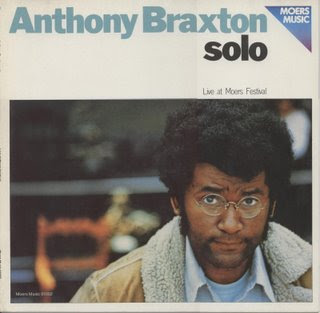
Anthony Braxton- Solo Live at Moers Festival 1974 LP

1/11/09- The Fall- I am Curious Oranj CD 1988
Anthony Braxton- Solo Live at Moers Festival 1974 LP
John Coltrane- One Down One Up: Live at the Half Note 2CD 1965
Cecil Taylor- Stereo Drive LP 1958
Cecil Taylor- Jazz Advance LP 1956
Andrew Hill- Andrew!!! LP 1964


Son House

MONDAY 1/5- Son House, like Mississippi John Hurt and Skip James, was a legendary early bluesman who stuck around long enough to get a nice helping of rediscovery acclaim. And the Columbia Roots ‘N’ Blues two disc collection is sterling documentation of an autumnal artist working through his songbook with the air of summation and satisfaction. Blues hardliners have complained the House’s playing here lacks the fiery sharpness of his indispensable early sides, and it’s true. But. BUT. There is often a but, and here it concerns the music’s clarity and warmth, which really brings out the beauty in the playing and helps to amplify the history and ceremony behind the recordings. And it’s not like they had to prop House up in front of the microphone. His voice is still strong and his playing limber and emotional enough to communicate clearly that he could still conjure up the essence of what made his music such a big deal to folklorists, collectors, and younger musicians. Canned Heat’s Al Wilson plays some backup here, and if that scares you it shouldn’t. He sounds fine, more than just a respectful accompanist while never trying to assert himself beyond the role of support. This is House’s gig, and he does a grand job of showing his stuff. The mix of tough and cutting slide blues and spirituals provides a sustained study in the inner conflict that often surrounded the lives of many blues greats, and when this is combined with House’s undeniable stature in the history of the music, this set acquires a magnitude that’s the equal to the late efforts of Hurt, James, Fred McDowell, Furry Lewis, or Mance Lipscomb. The last observation I’ll make is again concerned with recording technology, specifically how these sessions allowed House to stretch out and capture something closer to the way these songs probably existed in the more natural live setting instead of the truncated nature of the early 78rpm recordings. This is also true of the stuff Alan Lomax documented in the early 40s, but again, the aura of a professional, non-crap studio session really adds some deep flair to the seven minutes of the brilliant “Death Letter”. This whole thing is simply a big fat bumblebee’s golden kneecaps. Anybody who wishes to have their ass kicked by last century’s sounds of survival will most certainly be pleased with its contents.
Guru Guru were part of Germany’s Krautrock scene, and while they don’t have the name recognition of Neu!, Faust, Kraftwerk, or Cluster, they are perpetually bubbling under those groups and exist as an ever ready fix to those who’ve become addicted to the deep sonics of that regional era. The expanse and heaviness on display on their debut recording is quite attractive, and as a piece it fits snugly into the puzzle that was Europe’s ‘70s-era left-field rock excursion. Guru Guru also rub up against jazz in a way that makes them Continental bros-in-arms with bands like Soft Machine and King Crimson while basically sounding almost nothing like them. This is really great stuff that I’m just getting a handle on, so expect more musing at a later date.
My first thought about the full length by High Places was something close to “not as good as the earlier release available through Emusic”. My second listen made me rethink that, somewhat. This record is cleaner, more graspable and comes attached with the undeniable factor of familiarity and the expectations that can’t help but foster. Experiencing it a second time gave me the idea that while my hopes were initially somewhat dashed, they were confounded in a way which will likely lead to other eventual pleasures. I’ll let you know how it turns out.
Anybody who spends time digging in the fertile soil of free jazz history will encounter the name Sunny Murray. Due to longevity and the undeniable importance of many sessions where he left his contribution, he is essentially the key avant-garde drummer of the 1960s. Murray was a member of the Albert Ayler Trio, assorted Cecil Taylor groups, played with Archie Shepp and Dave Burrell, and released some major recordings under his own name. Where many free drummers of the era still held a loose grip on some type of recognizable jazz form, Murray was almost completely abstract in his engagement with his other musicians, and as a result helped to broaden the possibilities for the new music. Big Chief is a fine example of the large group intensity that was being undertaken as the decade closed, and it’s too bad it doesn’t have a larger reputation, for the recording sits quite nicely with the bolder, more uncompromisingly out sessions that were recorded for BYG or ESP at the same time. Murray’s leadership shouldn’t imply that this is a drum focused session, though his playing is outstanding throughout. It’s really a cooperative endeavor with the added attraction of hearing a bunch of under recorded players in fine form: Kenneth Terroade on tenor, South African Ronnie Beer on alto, obscure West Coaster Becky Friend on flute and Francois Tusques on piano are just three examples. Alan Silva had a touch more exposure, playing with both Ayler and Taylor as well as throwing down a wicked ESP release under his own name, but it’s still wonderful to have another session from this much underrated string improviser. Obscure photographer and writer Hart LeRoy Bibbs contributes a fine touch of tough poetics to the group, and a good basic reference point for Big Chief’s sound would be Albert Ayler, particularly on the massive closing piece “This Nearly Was Mine” by Richard Rogers, here transformed into a thick horn lament that recalls more than slightly Ayler’s Impulse! material. I still think Sonny’s Time Now is the best Murray release from the era, but this one is a major statement, loose and tough with an air in insistence about it. Any partisan of free jazz will want to know it.


Sunny Murray

TUESDAY 1/6- Sailin’ Shoes is a grand tour through the deluxe mind of the late Lowell George, a guy who could use a boost or three to his posthumous standing. His career was (at least in its first half) quite varied and interesting, featuring work with both Zappa’s Mothers and killing backup on John Cale’s brilliant Paris 1919 LP, and of course he led Little Feat, who kicked out an initial stream of albums that managed to integrate a bunch of different ingredients (blues, country, mild psych, funky New Orleans) into their sound in a very deft way. George’s integration of varying elements was smart but lacked the sometimes obnoxiously brainy aura of Zappa’s stylistic hodgepodge, plus he was refreshingly brief in an era polluted with blowhards. The debut is probably my favorite, but this record includes the powerful combo punch of the sweet reworking of George’s classic truck driving anthem “Willin’” (the equal to any song in the hippie-country canon, in my estimation) and the scorching bluesy grouchiness of “A Apolitical Blues”, which is possibly the most underrated blues ditty by a white-boy interloper from it’s era. But the whole damn record is a slice of prime junk. George’s slide playing is unique and seductive, his vocals never overstep into wailing minstrelsy (being smart enough to avoid aping his influences), and the total goes down smooth to the perfect degree. It’s true that the band overstayed their welcome, continuing long after George’s early death, and that professing admiration for the Little Feat in public means risking having to suffer the company of Jimmy Buffet fans, but when Sailin’ Shoes plays all that dissolves into nothing. It’s a fine statement from a once fine band, and that will always be welcome.
-

Linda Perhacs is one of the legions of one record wonders to be rediscovered and championed by contemporary artists as a euphoric chapter in the book of lost grails, in the case the freak folk edition, leather bound and reeking of patchouli. Her one record was underground in a way that is different from say Skip Spence’s Oar or Joe Byrd and the Field Hippies’ American Metaphysical Circus. These two were long established cult items, much bandied about before they were eventually given CD reissues and became entrenched as cornerstones of their wide open era. The Perhacs record endured a long period where it seemed to undeservedly sit in the vast sea of recorded ephemera, only being discovered, culted, and reissued with the arrival of the New Weird America/psyche folk movement. Devendra Banhart enthusiasm surely played a big part in this, but most of the credit for the records redemption should sit with Perhacs herself. The gradually creeping oddness in her folky, airy, proudly feminine sound is seductive over the course of the record, and by the time the inspired psyche derailment of the title track arrives, it is clear that the Parallelograms’ neglect was wholly undeserved. The introspective (bordering on melancholy, at times) feel of much of this will be welcome to those who are bugged by maypole frolicking, though methinks that pixies and sprites known to partake in that activity will find this appealing as well. She can also chug acoustically in fine fashion and provide a more popish side that is far more personally preferable to the Carly Simon-ish feel many gals of this era exuded (I’m more into Nyro and Mitchell, these days). This doesn’t dethrone Erica Pomerance’s blessed-out one-shot You Used to Think from its perch as the defining blast of gushing ‘60s femme-folk, but it doesn’t miss by much. The bonus cuts on the CD reissue are quite welcome and show Perhacs to be a smart, versatile artist that deserved so much more than to be queened as a cult figure. I want to hear the new stuff.

WEDNESDAY 1/7- I haven’t always loved The Pogues. I remember mildly digging the Poguetry in Motion EP when I bought it back in the late ‘80s but I stupidly traded it in for I think a Phantom Tollbooth record (that I don’t even own anymore). My other run-ins with the group never really resonated with me until about five years ago. I picked up the above album used for very cheap, thinking what the hell, here’s another one for the stacks. And I’m glad I did. While I am partially of Irish descent, I’m not at all weepy over it, so ancestral nostalgia has nothing to do with my change of heart. I just seem to have grown into its charms. Where they once seemed old hat and overly theatrical, they now seem (on this record anyway) shrewd and well constructed conceptually. And pretty. And theatrical in the best way possible. Elvis Costello’s production might be a tad middle-of-the-road for my tastes, but he does nothing to sabotage the proceedings, so maybe I should just be quiet. This band’s music has been the soundtrack to so many loutish drunken nights from aging malcontents obsessing over their place in the world and the genetic stamp of their being that the industry’s of stout and whiskey should pay them a large stipend. There’s no doubt these cats sound best when you’re half blasted and simultaneously soaking up emotions like a sponge and secreting them like a spastic lawn sprinkler, but they can also be endearing on a sober cold-weather night alone. I feel so mature.
-

I’ve been connected with the music of Fred Firth for over half my life. He’s just a monster of the experimental guitar and his passionate openness to so many different types of music and his participation in a bunch of varied “scenes” made it almost impossible for my inquisitive young mind to not cross his path. I was tired of the little box that punk rock had become and was dipping into some of the more esoteric releases on SST records, Frith’s 2LP The Technology of Tears being one of the first. I was curious about The Residents, and he was a major presence on their Ralph records imprint, both as a guest and stand alone artist. I found his name on my copy of The Violent Femmes’ The Blind Leading the Naked. The more I dug into the records on Mark Kramer’s Shimmy Disc label, the more familiar he became. Indulging in Eno’s brilliant streak of ‘70s albums found him on Before and After Science and Music for Films. I scored a tattered copy of the first Henry Cow album because a fellow King Crimson fan recommended them, and discovered he was charter member. And impulsively buying the first Naked City record on cassette sealed the deal: his mark on my then meager record collection was secure, and this was completely due to his eager interaction with a bunch of musicians whose paths normally didn’t cross. Thing is, the guy is still going strong. Frith has always stood with Eugene Chadbourne and Henry Kaiser in a righteous triangle of avant guitarists that never lost touch with their non-experimental roots, and To Sail, To Sail has moments that recall everything from Fahey, Cooder, Kaiser, Bailey, and a whole lot of Fred Frith. His music has inviting warmth even at its most abstract moments, and the record generally heads into less definable territory as it progresses. It’s just him and a steel string acoustic, and the textures, tones and movement he can dash off is nothing short of fantastic. If you are a novice to his work, this would work as a start I think, but it’s also hard to not advise jumping in with Guitar Solos Volume One and the first Henry Cow record (both available on EMusic for the cost conscious). It’s coming up on forty years since he began examining and expanding the possibilities of stringed instruments, and after appearing on 400 plus recordings, he’s as vital as ever.

THURSDAY 1/8- Shark Quest should frankly be much better known. The reality of the band’s non-post rock eschewal of a vocalist and their often Americana-influenced direction certainly play a part in their lack of widespread rabid fandom, but they’re great enough to overcome these unfair obstacles and the fact that this has yet to happen is a sad state of affairs. Battle of the Loons is their debut and it displays a major helping of dexterous musicianship while keeping the lid on the pressure cooker of needless showiness. The examination of roots is evident without turning the proceedings into a phony knee-slap fest, with many moments actually holding more than just a whiff of the conservatory. This appeals to me very much, but the lack of a convenient handle might befuddle many. The deeply bowed tones on the opener “Blake Carrington” sound more New York than North Carolina, and the whole disc lacks any easy gestures to popularity. Two more records have been released without much change in their circumstances, and I can only hope they haven’t called it a day. It would be great to see them at this year’s Merge anniversary shindig, but without a new album to promote that’s not likely to happen. Maybe Shark Quest is destined for posthumous acclaim. If so, I’m going to lord it over all you mofos.

FRIDAY 1/9- This Bill Dixon release is my pick for the best of 2008. It’s been with me for months but I’m still a little scared of it from a writing standpoint. Last year’s resurgence in things Dixon was one of its most pleasant surprises. This record, the collab with Rob Mazurek’s Exploding Star Orchestra, and the sudden slew of older releases available for inexpensive legal download really put him on the radar screen as something other than just an intriguing figure in free jazz lore. Tons of people knew him as the man behind the legendry 1964 October Revolution in Jazz , and many heard him in tandem with Archie Shepp and as a member of Cecil Taylor’s smoking group circa Conquistador!, but his Intents and Purposes album for RCA from ’67 is still criminally out of print, and he dropped out of the pro music scene for academia in Vermont for such a long period that when he started recording again for Soul Note in the ‘80s he dented the consciousness of many avant-jazz fans but didn’t concuss enough perceptions to take his rightful place as one of the elders of free jazz. In Dixon’s case free is a descriptor in need of clarification, since he is foremost a composer, and Darfur can indeed feel at times like modern avant-classical. It can gather a sheer intensity that’s left me awestruck and unable to follow it up with anything but silence. The group is largely made up of fresh names and a few older, more established players like trombonist Steve Swell, bassoon player and Jimmy Lyons/Cecil Taylor cohort Karen Borca, and percussionist/vibe player Warren Smith. Shit-hot Braxtonian Taylor Ho Bynum is here as well, and the whole group possesses a collective musicality that results in devastating excursions into Dixon’s sound world; nary a note is tentative. I’m pleased as punch that this record exists, that the man responsible made the cover of The Wire, that divergent opinions are flying to and fro in cyberspace concerning him, and that his pendulum of fortune is finally starting to swing the other way. The next time some smarty tries to opine that jazz is dead I’m going to ask them why this disc made the hair stand up on my arms. Moribund music doesn’t do that. Intents and Purposes needs to become available (what asshole corporation owns the RCA back catalogue, anyway?), and hopefully Dixon has a follow up to this one in store. I’d like to see him pluck a few folks from this group and throw down some spirited improv. Or a solo disc. Or a duo with Cecil. Keep ‘em coming, Bill!
Bill Dixon

SATURDAY 1/10- Art Blakey’s impact on jazz is pretty much impossible to measure. He’s one of the absolute cornerstones of post-bop, and his groups featured so many amazing players, particularly in the second half of the ‘50s, that listing them is rather daunting. So I’ll just mention the names on this one. Wayne Shorter on tenor, Freddie Hubbard (RIP) on trumpet, Cutis Fuller on trombone (if the name doesn’t ring a bell, he slays on Coltrane’s Blue Train), Blue Note mainstay Cedar Walton on keys, and Blakey regular Jymie Merrit on bass. Any version of The Jazz Messengers that I’ve heard is loaded with infectious and adept rhythmic passages, but I’ve yet to cross the path of one that slides into overzealousness. I’ve thus far stuck to the more established classics, not dipping into the later releases that spanned into the ‘80s, so I can’t really venture a complete synopsis of his talents. One thing that I’ve noticed about the more canonical records is how generous Blakey was with his younger band members. Everyone has ample opportunity to shine as a soloist and to display their songbook. Two tracks are courtesy of Walton (“Mosaic” and “The Promised Land”), and we get one a piece from Shorter and Fuller (“Ping Pong” and “Arabia”, respectively). That leaves one standard, “It’s Only a Paper Moon”. The whole record simmers with the rare intuitiveness that makes the best post-bop more than just a study in chops. Blakey certainly asserts himself; the drums connect in a way that’s unique in the context of this era, but it never feels like showmanship. He’s a supreme catalyst. And everybody on this thing is catalyzed. So am I. I basically spun this one because I wanted to hear so prime Hubbard, his recent passing sticking in my mind. He delivered, but I ended up receiving a lot more for my interest. Post-bop doesn’t get much better.
And avant-garde troubadours don’t get much better than Anthony Braxton. This solo disc taped live in Germany’s Moers Festival finds him running roughshod over an alto sax with so much savvy that I’m surprised the instrument didn’t liquefy in his hands. The danger in solo improvising is running out of ideas (plus there is nobody else to provide inspiration except possibly an audience, but more about them in minute). I’ve yet to hear Braxton lose focus or intensity in the solo setting. Much like Cecil Taylor, the guy never appears to be going through the motions, and the nakedness of playing alone insures that he couldn’t even if he wanted to. The sound is at moments raw, contemplative, joyous, complex, and simple. It’s always demanding and rewarding. The crowd in attendance seemed to think so as well. They thunder out applause like a bunch of plebs pleading Pete Frampton for a fourth encore in ’78. The Germans sure know a good thing when they hear it.


SUNDAY 1/12- Mark E. Smith’s The Fall formed when I was five years old. Smith just keeps on trucking seemingly for the sheer hell of it, and the longevity has surely cost them some legendary status. If he’d quit around ’85 I feel safe in estimating that The Fall would be held in much higher esteem then they already are. I’m not accusing the populace of objectifying image and obscurity. The band has so many records out they need their own special cabinet to hold them all, and if an unschooled gal or guy gets gestured toward their stuff without specifically being guided to start early and stay late, then false impressions could easily result. Ditto to bumping into a vitriolic screed lobbed against a recent release in an internet magazine, or seeing a snapshot of his uncomely snaggle-toothed speed-damaged countenance: all of the above has likely steered more than a few folks away from the grandeur that is The Fall. Suffice to say, Pavement wouldn’t exist in anything resembling their collective reality if Smith didn’t blaze his maddeningly seductive trail. Slanted and Enchanted owes so much to their brilliance that spinning it next to the masterpiece Grotesque has no doubt dropped thousands of jaws. It did mine. Oranj is from the Beggar’s Banquet-era, which some people love and others are more blasé over. This period was my intro to the group (besides “Bingo Master’s Breakout” and a Peel Session EP), so it will always have a special place. It’s a score for ballet that’s at least somewhat concerned with William of Orange, but it doesn’t feel particularly unusual in the context of The Fall’s discography, the opener “New Big Prinz” is quite attractive, partially because Smith’s voice was so much stronger in the mix during this era, and this particular release regressed from the poppier study of the previous album The Franz Experiment (still a great album with a sweet cover of The Kink’s “Victoria”). So this is the best of both worlds in a sense. “Dog is Life/Jerusalem” starts like a sound clip from the greatest poetry reading ever held and morphs into a rather rad piece of Smith’s skewed crooning (with lyrics courtesy of William Blake), “Wrong Place, Right Time” is a righteous stomper, and the title cut is just drenched in Smith’s stammering blabbering greatness. And there’s more. If you’re a newcomer I say locate Live at the Witch Trials and get bowled the fuck over. But don’t forget about this one. It has a special appeal that hasn’t waned with time.

If you’re a Coltrane nut like I am, then you very likely already own One Down, One Up. The legit issue of this tape may not be as unexpected as the Thelonious Monk/Coltrane disc that was released the same year, having already been bootlegged, but the fact that it’s now available as an above board release adorned with outstanding Impulse! packaging is wonderful to behold. My top two live recordings from Coltrane are the scalding two discs of Live in Seattle and the behemoth monster four disc explosion of Live in Japan, and due to the circumstances surrounding this release it won’t topple either of those from their elevated status. Live at the Half Note is radio broadcast recordings that are indispensable and often incendiary in nature but suffer from attributes which diminish the whole without detracting from the overall worth of the release. The title cut, which many will know from the brilliant New Thing at Newport, is only partially recorded, picking up in Garrison’s solo, and this can’t help but lessen the impact, a bit like re-watching Two Lane Blacktop or rereading The Dharma Bums from the middle. Naturally not as good as the whole picture, but this isn’t really a fault, for what’s gained is an extended opportunity to catch a captured glimpse of Coltrane’s group in full blossom. Captured is an important descriptor, since this again was a radio broadcast, not a professionally recorded live record. I don’t think anybody involved with the music documented on this night thought for a second that forty odd years later it would be a prestige release from one of the greatest groups of all time. It’s safe to assume that this was just another night for these guys, another radio air check to be absorbed by the live audience and those with ears attuned to radio speakers, to be enjoyed or rejected or puzzled over and possibly discussed but filed away in memory banks shortly thereafter. Maybe a few dozen trips to the record store would result. Maybe some moldy fig would call up the station and complain. Perhaps two people would make love or a person sitting alone in darkness would be brought to tears. This is what makes One Down, One Up so valuable: the audio-paparazzi factor, where these four giants were working through the sound that gave them their stature in a manner simultaneously everyday and euphorically transcendent. It’s recordings like this that really separate this band from so many other estimable combos. The contents herein were just natural stuff to them, like breathing: listen and hear one of the high-water marks for humankind.
Coltrane plays on Taylor’s Stereo Drive, a weird, neglected and often maligned record. It’s well established that the young Taylor, while not then the blistering keyboard genius that flowered in the ‘60s to be perpetually in bloom ever since, was a bit above the comprehension of producers and studio execs of the era. Profit motive is the obvious factor in teaming up Taylor and ‘Trane, but it still made sense artistically. The big problem with this recording relates to trumpet player Kenny Dorham. It quickly becomes clear that he and Taylor weren’t really on the same page. All the momentum that builds up through the connection between Coltrane’s opening sax salvo and Taylor’s knotty phrasing is considerably flattened when Dorham appears and improvises like he’s at another session. Maybe he thought he was. It’s not horrible sounding, but is a bit depressing, with the occasional twitch of fascination about it. Taylor’s playing shifts considerably at these moments, leveling out because he lacks a partner to work with/against: instead he’s sharing studio space with a guy blowing straight-ahead like the Blue Note regular he was. No slight to Dorham (who I love in many other contexts) but this is just an undisputed mismatch. To see just how contained Taylor is here one need only listen to Jazz Advance, recorded two years earlier with sympathetic peers Steve Lacy, Dennis Charles and Buell Neidlinger. This was the start of it all for Taylor, and the recording still holds an electric feel that gives truth to its title. It’s interesting that Lacy and Neidlinger jumped straight into the avant-garde from trad-jazz, sounding inspired and comfortable in the idiosyncratic atmosphere of Cecil’s keyboard construction. Many groundbreaking recordings eventually lose their front-line qualities as time passes to either sound classic or quaint. Jazz Advance still holds considerable edginess, largely because Taylor’s piano is so singular, with the added fact that his cohorts on this session were truly involved in making it something timeless.