Showing posts with label blues. Show all posts

Wednesday, June 15, 2011

Picks For Chester Records - The Early Weeks (LCD Soundsystem, James Brown, Dag Nasty, The Stanley Brothers, Deerhunter, Muddy Waters)


These six pieces were my first group of picks for Winchester, VA vinyl shop Chester Records, completed for the store's blog before I started sensibly linking them each each week in this space. Naturally I want them here, so below you shall find....


The growth of producer/musician James Murphy as documented by his activities via the DFA label has been impressive. Initially, his group LCD Soundsystem was just one of a hot handful of names under the DFA umbrella dedicated to combining dance music aesthetics with a punk/experimental edge. All that worked out surprisingly well, with Murphy and partner Tim Goldsworthy becoming in demand remix specialists, tackling tunes from sources diverse as The Blues Explosion, The Chemical Brothers and Justin Timberlake. Along the way, LCD slowly kept gathering momentum, getting nominated for Grammys while expanding the scale of the group’s sound. I use the word group loosely; Murphy is the creative force behind the LCD moniker, and the Top Ten charting THIS IS HAPPENING finds him attaining a consistently high standard. Utilizing a smart set of influences is a huge part of his success, but songwriting has also come to play an increasingly important role. THIS IS features a handful of cuts that display a maturing pop sensibility married to Murphy’s sonic attack. “All I Want” features the sort of anthemic melancholia that’s reminiscent of and a worthy successor to Bowie’s “Heroes”, and “I Can Change” feels like what might’ve happened had Vince Clarke replaced Gary Numan in The Tubeway Army. Lotsa soaring high notes and boing-boing robotics, ya dig? Other parts of the record fuse this popishness to Murphy’s now well-established off-the-cuff quirk with fine results. Album opener “Dance Yrself Clean” is the best example of this savvy combination, feeling like an early version of Depeche Mode that honed their chops not in England but in the dank New York clubs of the early ‘80s. And those who love the making it all up as he goes along mouthy quality from the earlier records have nothing to worry about. “You Wanted a Hit” and “Pow Pow” continue the development of LCD’s more extemporaneous side, with the later displaying sonic touches of the youngish New Order until the arrival of a down and dirty bass-line seamlessly shifts the focus to percolating techno-funk throb, and all the while Murphy’s talking and talking. While it’s nice to name check the influences (amongst other elements, Eno is a major implicit presence, there are touches of Kraftwerk’s techno-pop period, and the cover photo is obviously inspired by artist Robert Longo), what’s more important is how these reference points are assembled. As a 40-year old dude, Murphy heard a whole lot of his inspiration as it happened, and he’s had a whole lot of time to reflect on just how to integrate those elements. The punkish vibe of LCD (and DFA in general) has nothing to do with snarly snotty posing and everything to do with reverence for a period in the punk chronology where Suicide were considered as legitimate an example of the form as The Ramones. Experimentation as one part of a well-balanced diet. Another major factor in the success of the sound lies in the avoidance of the use of computer software. Murphy has a stated preference for analog sound (the synths he uses are the kind you play, not program), and that really makes a difference, since a longstanding aspect of LCD’s success is the sort of clinical iciness that has inspired black-clad pale-skinned boys and girls to mope around for roughly three decades. Underneath that icy quality however is warmth provided by the instrumentation. This mix of cold/hot goes all the way back to Cabaret Voltaire and The Normal’s “TVOD”/”Warm Leatherette”, and it’s a big reason why Depeche Mode and New Order still resonate with people born after those band’s formative years. On THIS IS HAPPENING James Murphy has set his personal bar extremely high, with nary a dud or a tangible dip in quality, and it’ll be interesting to see if he continues to mine this fertile territory or lights out in a different direction.


James Murphy


Lucky for us, since the dawn of recorded sound, history has handed us a steadily growing resource of music that can reasonably be described with the admittedly somewhat overused term “great”. Additionally, there exist a much smaller number of aural documents that sit at the highest level of esteem, what some would call essential listening and others might bestow as the absolute crème de la crème. The previous two sentences are a loquacious way of saying that there are records and then THERE ARE RECORDS: James Brown’s LIVE AT THE APOLLO is an example of the caps font variety. I’ll state the case and make it plain. This 1962 LP is almost certainly the greatest live recording of all time. Now, to expand a bit- the music found on this brief slab of vinyl is a rare glimpse of raw artistry distilled into a perfectly calibrated performance, where Brown, then at an early peak in his long career as a groundbreaking R&B bandleader par excellence, engaged in a glorious give-and-take/tug-of-war with his crack band The Famous Flames, their collective effort inspiring a feverish dialogue with a theater filled to capacity with passionate fans. It’s the personification of hard soul, and the ability of the band to navigate a varied terrain of raucous crowd movers/slow burners honed down to their very essence has lost none of its brilliance. Naturally, Brown presides over this dynamic showcase with faultless urgency and precision. Never is there any doubt that James is the crucial element of the show, and it’s his relentlessness, his joy, his anguish, his pleading that truly elevates the recording of this performance (just one of a weeklong engagement) to legendary status. The centerpiece of the record is “Lost Someone”, which takes up over a third of the album’s running time. Brown swings into a mode of extended gospel testifying before gradually shifting into a bout of call and response with the increasingly overwrought audience as the band sagely simmers and accents the proceedings, and then quickly, with an emphatic shout out of “Please Please Please”, the direction shifts into a medley of tunes that instead of feeling underwhelming or cheap (as medleys so often do), actually attains an aura of sensible grandeur. It’s almost as if playing the songs in their entirety would’ve caused The Apollo to spin into orbit from sheer euphoria. In the annals of soul music, there are two guys who basically invented it, Ray Charles and Sam Cooke, and then two other guys who took that impetus and ran with it full steam into the 1960s, Otis Redding and James Brown (we’ll discuss the girls another time). All four of these names deserve a monument at least the size of Rushmore. But it was Brown who seized upon the essence of this most communicative of pop music forms and boiled it down to a simple equation. Lungs + sweat + groove x (crowd) = Star Time. Are you ready for Star Time?


Mr. JB
 
 
Post-hardcore was a vague catchall term used in the late-‘80s to describe various advancements being made in the underground scene by aging punks looking for new kicks. Some of the noisier/artier bands that once fell under this description are now categorized as indie-rock, Dinosaur Jr. being a fine example. But many post-HC units were distinct from their peers in that instead of subverting or moving beyond the rudiments of hardcore punk they actively sought to expand the genre into something less rigid or predictable. Probably the two biggest locales for post-HC were Chicago and the Nation’s Capital, and this makes total sense. The Windy City’s geographical position made it less likely to fall victim to faddism or to develop niche scenes that were in direct opposition to the punk/hardcore impulse, and DC’s function as the nerve center of the Federal Government played a large role in shaping how many in the District elected to transform hardcore, which was quite often a very political genre, instead of abandon it. Dag Nasty were part of the initial wave of DC post-HC bands, and until the emergence of Fugazi, they were likely the most popular. Featuring Brian Baker (ex-of Minor Threat), Dag Nasty made a huge impression with the 1986 release of CAN I SAY, presenting a fresh sonic recipe--retain the heaviness, increase the melody and eschew rage and didacticism in favor of angst and introspection. I first heard CAN I SAY roughly a year after it hit the racks, and while it did play a big part in my personal growth away from standard punk and hardcore, I must confess it didn’t affect me the way their artier, wordier DC contemporaries Rites Of Spring did. The members of Dag Nasty were all veterans of other bands, and it’s obvious from listening to their debut that the shared goal was to play more accessibly and connect with a wider audience. In this case, that’s cool. By 1985, the standard hardcore scene had stagnated considerably. And at this point, their music retained much from Minor Threat circa OUT OF STEP and held flashes of influence from such worthy melodic trailblazers as Descendents and Hüsker Dü. However, there was an earlier, tougher period in Dag Nasty’s genealogy which featured powerhouse vocalist Shawn Brown (later of Swiz). The recordings of that lineup have been floating around for almost two decades, but I’d never made the effort to check ‘em out until now. My mistake. DAG WITH SHAWN, Dischord Records’ archival release of the Brown-era tapes shows how different the initial version was in both texture and velocity. The raw-throated sing-shout of Brown essentially necessitates that the band respond with something approximately as heavy, and in so doing the entire session falls much closer to the wilder, more abrasive end of the post-HC spectrum. The whole sweet mess is coated with the sturdy chug/throttle that became very common (and welcome) as the better hardcore bands learned how to stretch beyond the limitations of the form’s standard beats and riffs. This tightly wound release really hits a qualitative peak with the jackhammer delivery of the song “Can I Say”, which raises the bar on an already classic tune. To my ears, Brown’s brawny, vein bulging roar is preferable to subsequent vocalist Dave Smalley’s streamlined approach, though it must be stressed how that more well-mannered style fit his version of the band like a pair of stretchy bike shorts. To wit: CAN I SAY’s “What Now?” combines a tuneful, almost popish dynamic with earnest lyrical vulnerability, resulting in a sound that helped inspire legions of alienated teen punks to scribble endlessly into battered composition notebooks all across the land. I know, ‘cause I was one of ‘em. Due to these palpable differences DAG WITH SHAWN doesn’t serve as a replacement for CAN I SAY, but instead stands as its own entity, falling in with the bolder, more workmanlike DC bands such as Marginal Man, later-period Scream and Ignition. Listening loudly is like a passport back to a sweaty “3 bands for 3 bucks” gig in the cramped confines of the old 9:30 Club. If my memory of those days sounds like a good time I can assure you they definitely were, and by extension this record most certainly is.


Shawn Brown


The Stanley Brothers weren’t the originators of bluegrass, but they do stand as one of the earliest and finest exponents of the style, helping to expand the possibilities of this still quite popular genre in its formative period shortly after the Second World War, and anybody who wants a thorough picture of the movement away from old timey string band traditions toward the development of a more progressive and modern sound simply must contend with this pair. While it’s generally acknowledged that they really hit their stride with the 22 tracks recorded for the Columbia label starting right at the cusp of the 1950s, the material collected on EARLIEST RECORDINGS: THE COMPLETE RICH-R-TONE 78S (1947-1952) is still fascinating and in my estimation essential for numerous reasons. Foremost, it catches the Stanleys at a crucial moment where their style did more than just hint at the influence of their predecessors. I find it impossible to listen to this record’s opening cut “Little Maggie” and not hear the resonant style of Appalachian giant Clarence “Tom” Ashley, for just one instance. Also, it’s quite apparent that the expressive melancholy that forms a huge part of the stylistic makeup of bluegrass, a feel the form's progenitor Bill Monroe called the “high lonesome sound” (a term also used to describe the art of another old time master Roscoe Holcomb), was an inextricable part of the Brothers’ work from the very start. To elaborate, their vocal harmonies possessed a chilly gripping beauty that many later bluegrass players and groups sacrificed in favor of flurries of technical flash and modest slickness. The Stanley Brothers’ music at this point is emotionally direct and strikingly pure in form, though at this early date any purist notions are still a long ways away. They easily attain a natural ache and a well balanced instrumental vision while essentially responding to other’s advancements in this newfound roots style (Monroe’s “Molly and Tenbrook” is covered here, much to Bill’s then disdain). And those brotherly harmonies fall into an estimable progression of sibling country acts that include the Delmores, the Louvins and the Everlys. One only need listen to “Death Is Only a Dream” to understand just how vital this pair was not only to bluegrass but to the intricate and often undervalued fabric of country music as a whole. Anybody with an interest in the weave of that tapestry needs this collection pure and simple. And please note that only the first ten tracks here truly qualify as the Stanley’s earliest recordings. The last four were actually done in the short interim between their Columbia and Mercury contracts. So this is a real gap-filler for budding musicologists as well as an indispensible slab of gorgeous rural science. Getting familiar with the earliest work of an artist or group can sometimes be just a completist gesture. And that’s alright. I’ve gestured in a completist manner many times, and am far the better for it. But completism is not the case here. Ralph and Carter Stanley were great from the get-go, and it’s wonderful to see their early sides collected and readily available.


Ralph & Carter Stanley


It’s becoming clear that Deerhunter, like their indie homefrys Liars and Dan Deacon (for just two vaguely analogous examples), are in it for the long haul. Flash-in-the-pans come and go, and the overhyped have a tendency to betray the true magnitude of their nature, but long haul bands and artists share the knack for cutting through all the extraneous distractions and temptations to get down to the brass tacks of making quality records. It can be a romantic notion to surmise that the long haulers are the true lovers of music and the hypers and panners are merely self-serving or careerist in purpose. Attributing qualities to those we don’t know is a dangerous activity however, and just because a record from a flavor-of-the-month is shallow or uninspiring doesn’t mean the intentions of those who made it weren’t pure. But in Deerhunter’s case, designating them as music lovers is quite appropriate, since their latest release HALCYON DIGEST is explicitly about being inspired by the lovely (and sometimes lonely) tumultuousness of musical passion and fandom. There are many facets to the terminal need for sound, and where Sonic Youth’s string of Geffen releases often attained an aura of hipster erudition, or You La Tengo’s continuing Matador run feels like the crystallization of the greatest used record store ever opened, Deerhunter’s new one pleasantly reeks for much of its duration like a very well programmed set of late-night college radio (remember college radio?) or an expertly crafted mix-tape handed down from an older sibling. There is tangible disparity from track to track, but also a considered thread of similarity, a connective tissue that erases any threat of facile genre hopping. No, the quality of the songs here is striking, and Deerhunter’s continued movement away from their more noisesome roots is frankly not the trajectory I would have predicted and also not the slightest bit disappointing. While they never really gave Wolf Eyes or Merzbow a run for the cacophonous money, Bradford Cox and Co certainly began more as experimenters/manipulators/disrupters of rock-based sound rather than subverters/extenders of essentially pop-oriented song form. This type of streamlining progression often results in diminishing returns, but happily not in this case, since it’s become obvious that Deerhunter couldn’t make a “normal” album if they tried. Again, they have been heading in this direction for some time, but never has the migration sounded this advanced and surefooted. What once felt like dabbling and growth has moved past the point of no turning back. And maybe it’s just the label switch to 4AD, but I’m detecting a hazy anglophile vibe on HALCYON DIGEST that if traced all the way to its origins would likely lead us into a walk-in closet full of Bowie’s high-heeled boots. What a clothes horse! Additionally there are flashes of ‘60s-inspired transistor radio guitar jangle mildly reminiscent of San Fran’s Girls, hints of the new-new-new-psychedelia (possibly due to producer Ben H. Allen) that continues to place these guys in the general proximity of Animal Collective and an overall commitment to quality that’s heartening in these days of shoddy or underdeveloped product. Closing with a very fine tribute/dedication to the late, much missed Jay Reatard, HALCYON DIGEST is a very necessary proposition, and any survey of the contemporary music scene is incomplete without giving ample time to these considerable cats. Deerhunter’s been at it now for over half a decade, which in contemporary indie scene terms is a real long time, and it seems like they’re just getting warmed up.


Deerhunter on a couch
 

Muddy Waters’ deserved reputation as one of the greatest of all bluesmen basically rests on his steadily evolving flow of exceptional material from the 1950s. By the middle of that decade, he’d essentially perfected the groundbreaking ensemble sound that would pretty much define the following twenty years of Chicago Blues (Buddy Guy, Junior Wells, Magic Sam, Charlie Musselwhite etc) and would additionally play a pivotal role in rock music’s fitful growth (ever hear of the Rolling Stones? How about Eric Clapton?). The sparks and grease of Muddy’s innovation actually transpired on the bandstands of clubs and joints, and when the Brothers Chess finally relented and let his working band unleash their stuff in the studio the results were pure, thick gravy. While amplification of the blues had been a practical maneuver, allowing the music to be heard over the din of clamorous nightlife, Waters’ band took it a vital step further by synching themselves into one huge, rhythmically pulsating entity that’s effectiveness was only enhanced by their growing facility with the elements inherent to electrification. Brilliantly combining density with agility, they also deftly mixed varying degrees of smooth, suave urbanity with the tough rural Delta roots that made up the core of Muddy’s sound. The boldness of tone remains astounding. SINGING THE BLUES 1954-1959 is twenty-four tracks spread across two LPs that successfully provide a deep immersion into the still vibrant power of this estimable man’s grand repertoire. It combines a sprinkling of well known ringers like “I’m Ready”, “Mannish Boy” and “I Got My Mojo Working” with a strong helping of less bandied but just as worthy numbers such as “Evil”, “Diamonds At Your Feet” and a cover of his rival Howlin’ Wolf’s “Smokestack Lightnin’”. Muddy’s guitar and vocals sustain a uniformly high level throughout, and the players surrounding him are in the top tier of post-war blues artists. The set extensively features the majestic walking bass of Willie Dixon, mouth harp by sublime blowers Little Walter Jacobs and James Cotton, the faultless piano of Otis Spann, sturdy second guitar from either Jimmy Rogers or Pat Hare, and the crucially unfussy drumming of Francis Clay. As the music’s power accumulates, nary is a note laid wrong. The majority of the songwriting is roughly split between Waters and Chess house maestro Dixon, who in addition to bass duties served as a songwriter, producer, and general all purpose conduit between the brothers Phil and Leonard Chess and the constant flow of talent they captured. The difference between Muddy’s Delta-descended stuff and Willie’s considerably more pop oriented material is complimentary, with Waters’ splendid delivery tying the strands together, and the sheer range on display means this sets’ listenability across four sides of vinyl is quite a rare achievement. Even the greatest blues artists can become a bit or a lot monochromatic as separately released sides are compiled and presented as a single entity, but by this point Waters was swinging so hard and wide that 1954-1959 solidifies and gains momentum as strongly as any long-playing release in the genre. “Good News” and “Evil” include some unexpected and not overdone tenor sax, and “She’s Into Something” finds the group finessing a wickedly shifting dynamic that’s about as progressively urban as Muddy ever got. Add in three cuts from the rather unheralded MUDDY WATERS SINGS BIG BILL BROONZY LP and the breadth of this mighty baby should be readily apparent. The man’s track record up to around ’65 or so is unimpeachable, and I’ll always have a serious soft spot for the diamond-tough extremity of the early material, but 1954-1959 is simply the stuff of legends. By this point Waters had the sure-footed swagger of a Mississippi man transplanted to Gotham and made good. And instead of slacking off, he just kept turning up the heat. What a benevolent mastermind he was.


Mr. McKinley Morganfield

Tuesday, August 31, 2010

Some thoughts on The Howlin' Wolf (and a little bit of autobiographical rumination)


Howlin’ Wolf’s early recordings have made the rounds over the years, with my first exposure to them being the swell 12-track collection CADILLAC DADDY: MEMPHIS RECORDINGS 1952, which hit the market from Rounder Records right about the time I graduated high school. I still think that well sequenced disc serves as a fine introduction to the Wolf’s primal pre-Chicago period, but time has seen improvements in the documentation of this essential stuff in completist terms and also that of sound quality. When I first spent time with CADILLAC I was surely pinned against the wall, but also couldn’t help being a bit bummed by the audible damage that time and neglect had inflicted on these sessions. Subsequently, the fine reissue label Ace Records has collected all of the Memphis-era stuff that was released by the Bihari Brothers’ Modern and RPM labels, the latest incarnation of which, HOWLIN’ WOLF SINGS THE BLUES, references in title and cover the 1962 LP on the Bihari’s Crown imprint. That album was the first to compile a portion of those furious sides (and the strange inclusion of two otherwise fine Joe Hill Louis tracks) for consumption by a rough and ready young rock audience. And that updated disc is an indispensible document for understanding the electrification and modernization of the blues, which means that it’s also a vicious vessel of raw grooving. Natch. But brothers and sisters, I’m here to tell you there’s more. The amazing Bear Family label has released two volumes titled MEMPHIS DAYS that assemble all of the unissued material that Sam Phillips and Ike Turner captured in that heady era, documenting a stupendous talent that inspired Phillips to comment "When I heard him, I said, 'This is for me. This is where the soul of man never dies’”. What a sage the guy was. Because yes, there is a certain ineffable eternal energy in these recordings that really bring home the musicological talk of Wolf being a true artistic descendant of Charley Patton. This quality never really left his work, but it did become less pronounced the longer he recorded as one of Chess Records’ blues ambassadors, due in part to the seemingly inevitable streamlining that resulted from commercial success and additionally the quite advanced songwriting and production of Willie Dixon (a contribution that Wolf was often ambivalent about). The Memphis material however can really blindside the unsuspecting listener with its crazed mania, a quality it shares with other Southern electric blues of the period (the Trumpet Records’ material for example), and the wild edge found on these two discs is part of the solid connection to the uncompromising power of the pre-war Delta. But what ultimately makes Wolf the electric heir to Patton isn’t really the rawness of the delivery, it’s the range and depth of his repertoire. Patton is celebrated today in part due to the vastness of his material; he was more than simply a bluesman, existing as a professional live entertainer with the varied songbook that was necessary to keep a crowd of revelers juiced-up into the wee wee hours.


By the time of the MEMPHIS DAYS recordings, Wolf had already understood the importance of diversity. In addition to the hard Delta-core of his stuff, there is also some of the more modern slow moaners that he brought to perfection a few years later (“Getting Old and Grey”), some screwy jump blues inspired material that didn’t seem to survive his transition to Chicago (the fantastic “Oh Red”, with its blunt and loopy horn section), and a whole bunch of what can be described as proto-rock-‘n’-roll. The band that Wolf employed at this point is a big reason why he gets spoken of in the annals of pre-Elvis rock motion. Willie Johnson’s slippery and distorted guitar was effective at any tempo, so the faster numbers on these volumes just drip with the wicked hunching that would inspire explosions all over the continent just a few years hence. Willie Steele’s drum abuse assuredly pops the cork on the bottle labeled insanity, but more importantly he can also hang back when it’s called for (which is quite often), displaying the sort of understated simplicity that’s always been a rare commodity. L.C. Hubert’s piano lands in the fine territory between banging clamor and shrewd finesse, and as such adds much to Wolf’s incredible mixture of old and new. Now, to speak in audiophiliac terms, the sonic upgrade that’s been given to these recordings is a truly wonderful thing. The annoying acetate hiss that seriously marred the opening of “Mr. Highway Man” on CADILLAC is basically imperceptible now. And if you’re worried about high-tech sterilization, don’t be. This digital scrubbing has done nothing to detract from the awesome power of “Moanin’ at Midnight”, a tune I consider to be in the heavy handful of the absolute greatest of electric blues records. If you’re a curious newbie to the Wolf or just aren’t very familiar with his Memphis junk, I’d say grab SINGS THE BLUES first, because that has all the stuff that created the fuss that got this huge dude up the road and swinging from curtains in the Windy City. And if that fires yr coals (and I don’t see why it wouldn’t), you’ll need both volumes of MEMPHIS DAYS like a baby needs a warm nipple. We’re talking serious nourishment here. After that, there are multiple avenues in which to explore the Chess-era, where he had an massive decade-plus streak of artistic quality that only started to run afoul at Marshall Chess’s insistence on “experimenting” and updating his sound in a foolhardy attempt to land a fresh “hip” psychedelic-era audience (a fate that also befell Muddy Waters, although in a less disastrous fashion). The question of which of the Chess Big Two had more of an impact on my teenage life is at this late date impossible to answer. I’d got into Muddy first and then later eased into Wolf, spinning records and having my mind blown in my basement bedroom like the surly outcast I most surely was. By 11th grade I’d found the punk underground; finally I discovered a chunk of contemporaneous youth culture that really spoke to me. In a typically youthful boneheaded move that can only rise from the combination of impatience and poverty, I traded in a truly impressive stack of blues vinyl for a smaller stack of punk stuff, only a couple albums of which I still own. Oh well. By the last month or so before my graduation, I was already quietly regretful over losing my blues stash, and when I stumbled upon a copy of CADILLAC DADDY at my local music shack I impulsively bought the thing even though I didn’t even own a CD player at the time. I then went on a tour of digitally equipped friend’s houses, saying something like “Hey, check out what I have. Wanna hear it?” A few listened and balked, some smiled and taped it and a couple fell right the fuck over. That was a good day, and I’ve had countless good days (and late nights) listening to Chester Burnett since then. The music, like the man himself, is a gigantic presence that transcends the ordinary and continues to display a startling vitality into this young pup of a century. It’s kind of like the guy’s spirit just keeps on keeping on, long after Clapton paid for his tombstone. Damn Sam. You really summed it all up.


Thursday, May 20, 2010

3 quick ones


The wealth of post-war electric blues can at times be a bit much to fathom. That’s why some folks elect to stay with the established classics, such as the stuff on the Chess, Trumpet and Aladdin labels, for just three instances. And that’s not an unwise attitude to take if yr tastes are diverse and yr time is valuable. But it doesn’t paint the whole picture. The compilation COOL PLAYING BLUES CHACAGO STYLE does indeed shed light upon and deepen the pool that casts the refection of ‘50s amplified blues, consisting of sides cut for the Parrot label in the middle portion of that decade. Most of this disc was unissued at the time of recording, but I suspect that had more to with the economics involved and not the quality of the sounds. However, if you’re rigid in yr disdain of horn sections as an unnecessary intrusion into the wild transference of energy that was the electrification of the blues, you might want to skip this one. That’s not my bag, but I do tend to prefer my blues raw and unfettered from the tendencies of streamlining, so this disc wasn’t a personal mindblower. It does go down well enough though, the best of the bunch belonging to Curtis Jones, whose use of horns feels natural (possibly the result of a working band) and not grafted on in an attempt to increase commercial appeal. Jody Williams has a nice uptown B.B. King-ish feel, L.C. McKinley’s tracks seem to hearken back to the booming echo-laden sound of the Chess Brothers’ Aristocrat releases (where guitars, pianos and horns often blended in a nicely rudimentary fashion), and on one tune tenor sax player Nature Boy Brown’s Muddy Water’s-like vocals create an appealing clash with his band’s favored blend of jazzy-R & B (his other two tracks are instrumentals). But yes, this is still a very hornified affair. And as such it lacks the impact of being slapped on the pate by the primal scorch of say, early Elmore James. But that’s alright. And the Jo Jo Adams’ cuts apparently feature arrangements by Sonny Blount, aka Sun Ra. WHOA!!!


Because I am what some consider a stick in the mud, I prefer early Cure to almost any other type of Cure. SEVENTEEN SECONDS isn’t the band’s oldest stuff, but it is the beginning of what I (and others) consider the group’s most fertile period. Never as doomy and depressing as some folks made them out to be (particularly in contrast with any ‘80s Swans, for just one example), they were staking out territory that combined pop, post-punk, and studied atmospherics in a stridently non-smiling way that was markedly different from the more late-night horror-movie infused aesthetic of fellow U.K.-ers Bauhaus. Oh well, the press still tagged The Cure as gothic. But that’s because they were fucking lazy. I’ll confess that I never started really listening to this band in earnest until my late 20s (though they were in semi-constant rotation in my high school years at parties and during car rides); before that, they always seemed too refined for me, especially in contrast to the brilliance of Joy Division, who nailed me to the wall the first time I heard them. I can intuit a lot of Joy Div in this record (particularly in the placement of the bass guitar in the schema of the band’s sound), more so than on any post-MOVEMENT New Order release in fact, but I can also hear a band attempting to bring its own collective identity to the table. And yes, refinement. The Cure were surely post-punk, but they weren’t raw or antagonistic. Accessibility was part of the band’s M.O. from the start (I mean seriously, give me an example of a more catchy woe-is-me mope-fest than “Boys Don’t Cry”), and this album commences a trio of records that combine that approachable sensibility with a seriousness of intent that refutes their reputation as just college radio hit-makers. This is a fine LP that at its best finds them proffering a catchy, multi-layered and deceptively edgy plod. Play this between Siouxsie and the Banshees’ ONCE UPON A TIME: THE SINGLES and Bauhaus’ IN A FLAT FIELD (a couple of classics, in retrospect) and you’ll have the soundtrack to at least a half dozen nights of my late teenage life. Nice to know I can appreciate it more now than I did then.


SUN ARK, Sun Araw’s newish 7’’ on the Not Not Fun label is a fine spectacle. “Bump Up (High Step)” is an extended tour of a blissed-out zone that feels equally indebted to low-fi bubblegum dub and tinny, street corner psychedelia. It’s a sweet blend of expansiveness and repetition, fuzzy and druggy, but with an irresistible (some might say nagging) pulse that never deviates from start to finish. Layers of gonky organ junk proliferate as the track motivates into the eternal consciousness, insuring that the sonic whole builds in intensity, but the track never really shakes its feel as hypothetical soundtrack music for a video game that’s object is to save the world while simultaneously getting thoroughly and unapologetically stoned. Sound(s) like fun(?) If this reads to you like some sort of retro trip - on one hand kinda, but on the other most emphatically NO. Grace Slick will hate it, but Phil Lesh will likely understand. Side two, “Live Mind”, is much more heavily drenched in dub syrup, but there is just as much wheedling and woozy organ, substantial levels of blunted boom-chacka guitar progressions and a slick fabric of cyclical rhythmic bursts. Vocal textures arrive, though they wisely avoid the limitations of language. It’s no surprise that a flute momentarily emerges from the mix. Like much of the current underground, Sun Araw is fairly prolific, and it’s clear that the man behind the title (Magic Lantern member Cameron Stallones) is quite welcoming of what many perceive as archaic technology in both the overall aural whoosh of his project and also in the manner of documentation, since a sizable portion of that output has been released on cassette. Mighty keen, I say. This baby is a vinyl single however, a limited edition of 500, and most likely already sold out. MP3s do exist, and if you are well stroked by the sounds of Panda Bear, High Places or label-mates Ducktails, you should seek Sun Araw out, bask in the rewards, and then tip yr cap in the vicinity of Augustus Pablo and Albert Hoffman for helping to set this delicious mess into motion.


Thursday, September 10, 2009

"It's almost dawn and the cops are gone, let's all get Dixie Fried" - Thoughts on the life and art of Jim Dickinson (and Sylvester Weaver)


Jim Dickinson in 1966: Backwoods hipster (photo by William Eggleston. I think)


As I type this I’m listening to the brilliant blues guitarist Sylvester Weaver and considering the mind-blowing life and art of Jim Dickinson. Weaver was the first person to be captured on record performing acoustic “country” blues in 1923, and also the first person documented playing slide guitar: simply put, he’s a versatile, legendary figure whose music still sounds vital today. Dickinson was a musician, record producer and byproduct of the cultural and artistic melting pot that was mid-20th Century Memphis Tennessee. He died just recently, less than a month ago at the point of this writing, but it seems safe to conjecture that Dickinson is still predominantly an underground figure, though one that millions of people have heard play piano on “Wild Horses” by The Rolling Stones. He was a member of The Dixie Flyers, an Atlantic Records’ house band that helped make, amongst others, Aretha Franklin’s severely underrated 1970 LP Spirit in the Dark such a long-standing mover, and he was able to mold the madness at the core of Big Star’s incendiary and claustrophobic 1978 bombshell Third/Sister Lovers into the masterpiece that many of us continue to clutch to our chests on chilly, lonely late nights. Dickinson also released his own lovingly off-kilter recordings (under the name James Luther Dickinson and in the group Mud Boy and the Neutrons), classics of a life-affirming sensibility possessed of depth and sincere no-bullshit erudition, albums drenched in a personality so rare and valuable that hepcats like Bob Dylan went to visit him. Weaver and Dickinson are both very significant artists, but their legacies aren’t overtly linked. However, thinking of them in tandem has solid benefits when trying to gather a handle on the heaving heft that’s been the last 100 years of this country’s (that would be the US of A) musical progression.


Nice lid.


Weaver was born in 1897. He began recording in the 1920s, a young man in the middle of some massive cultural upheaval, just one guy who had the good fortune to not only be a strong solo performer but also a sympathetic collaborator. By the end of 1927 his recording career was over and 1960 marked the final year of his life, an existence that ended without fanfare or the accolades of rediscovery that were then being bestowed upon other bluesmen both living or dead. The year Weaver died institutional segregation was still in full effect, William S. Burroughs’ The Naked Lunch was published, John F Kennedy was elected President of the United States, and the appearance in record stores of the Robert Johnson compilation The King of the Delta Blues Singers was still a year away. Jim Dickinson was 19 years old.


Dickinson in the studio
.
To be 19 years old in 1960 means being the perfect age to really soak up some of the era’s prime social upheaval. Living in Memphis must have just made it that much more intense. To read or hear Dickinson speak about his youth is to gain clear and rich insight into the circumstances the gave birth to rock ‘n’ roll. In his account, the pressure cooker of artistic magnetism of the ‘other’ that ran roughshod over certain young people during the 1950s isn’t laid at the feet of Elvis Presley but instead is awarded to a pill-headed disc jockey named Dewey Phillips, the kind of ‘crazy whitey’ who engaged in subversive behavior like playing Hank Williams tunes between the gutbucket gospel of Sister Rosetta Tharpe and the feral madness of The Howlin’ Wolf: A type of accidental cultural disruptor, simply getting his kicks and changing history in the bargain. Dickinson makes the bold and rock-solid claim that without Dewey Phillips there would’ve been no Elvis, or specifically those first ten songs recorded in Sun Studios that caused so much sweet shit to hit the fan before Elvis sold out to Hollywood a year or so later. The play-list integration of Dewey Phillips made Presley possible.


Sylvester Weaver’s blues has nothing significant in common stylistically with rock ‘n’ roll, and his seductively loping, at times slightly Hawaiian-ish style has almost no ties to the blues-rock boom of the ‘60s. Weaver was from Kentucky, not the Delta, and his warm style lacks the doomy, desolate qualities of Charley Patton, Son House or Robert Johnson. Instead, he shares the accessible feel of musicians like John Hurt or even Willie McTell, a folky sensibility that’s casual and inviting. His style of blues features qualities of refinement (a certain studied smoothness), but it’s still undeniably rooted in the country. Weaver’s music is quite at home rubbing shoulders with the hokum and jug bands that proliferated in this era.


.
LP art by R. Crumb


This isn’t any major revelation, but I find it worthy of mention since one of Jim Dickinson’s early musical epiphanies was hearing The Memphis Jug Band, a group with roots in the 1920s, the decade that holds the entirety of Sylvester Weaver’s recording career, 1923- 27, just five years that fits on two archival compact discs. Like Will Shade’s Memphis Jug Band and their contemporaries The Beale Street Sheiks, Weaver was a pro musician. He had a personal solo style but also excelled at duo playing, backing both prolific gospel blues singer Sara Martin and his young discovery Helen Humes. In the same period Martin recorded with Fats Waller and Humes later became a member of Count Basie’s Band. Weaver’s milieu prized adaptability and the desire if not the consistent ability (though his music was popular in its day) to reach a wide audience while retaining a distinct personality, the stamp of individuality.


Sylvester Weaver and Sara Martin
.
For many, this sort of ‘pro’ mentality is less appealing than the raw quality of specific records, most from the Delta, that seem almost accidental in their existence, their reality owing mostly to a very young recording industry having no solid idea what was sellable or commercial. The strung out, eerie sound of Skip James, the tough, ragged style of Charley Patton, the otherworldly croak and moan of Blind Willie Johnson; this was ‘hard’ music that remains impenetrable for many listeners to this day. It’s worth noting that in the rediscovery 1960s Skip James and John Hurt often played the same festival circuit. James felt his style of blues to be superior to the deceptively mellow playing of Hurt. The sound of Hurt’s voice mingling with his sweet finger picking seems perfect for relaxation and might even effectively lull babies to sleep, in spite of the fact that Hurt’s lyrical content often concerned death and strife. But James’ oeuvre is murder music of a blatant sort, the sound of malice and slaughter and suicide pure and simple, and he looked down his nose at Hurt’s accessible style. Folklorist and American Primitive guitar giant John Fahey considered Skip James to be a monumental asshole, but in this case that’s sort of beside the point. If we must get to the point the point will be that not all old-timey music is stylistically congruent. The jug bands are often the middle ground between polished professionalism and the uncompromisingly raw. Sylvester Weaver seems, at least from this distance to be a fellow traveler of the jug band aesthetic, and it was the sound of what many consider the greatest jug band ever recorded that helped to impact the consciousness of Jim Dickinson.


.
Where'd these guys come from?


Again, adaptability. The constant risk in being a pro musician is losing the root of it all, the danger of watering down or distorting the vitality of the sound/style in the desire to reach the ears and pocket books of some sort of hypothetical audience. The opposite extreme is often embodied by the suffocating demands made by purists, people that get so caught up on a concept of authenticity that they often miss the forest for the trees. The forest (or the trees, take yr pick) can be how distinct musicians with unique sounds and directions are often lumped together simply because the music has the surface similarity of sounding ‘old’. Jim Dickinson’s era is that of early rock ‘n’ roll, and if there is a period that is inherently opposed to the concept of purity, this is the one. Once white kids and black kids started getting turned on by each other’s sounds and styles and cultural signifiers (and simply turned on by each other) it was a ball that couldn’t quit rolling, and it was only a matter of a few years before the rest of the world, either willingly or grudgingly, followed suit. This is what the Rockabilly purists and R&B snobs often refuse to understand: that Bill Haley and Gene Vincent were the respective Beastie Boys and Justin Timberlake of their day. And on the other side of the fence, a phenomenon like Bad Brains can be traced back to Chuck Berry. Which is to say, can’t you hear the Hank Williams in Berry’s “Rock and Roll Music”? I sure can. And yes, the risk is Pat (or Debbie) Boone or Vanilla Ice or Milli Vanilli. But ya’ know, I think that’s a chance worth taking. And I don’t think Jim Dickinson ever felt he had a choice.


So get this old news: rock ‘n’ roll is the beautiful multi-racial child that resulted from the mixing/blurring of class, ideology and simple skin color. This is of course no startling revelation. A few huge forests have certainly been chopped to the ground to provide the pulp to make this point for both true believers in the cathartic gush of the R&R whatsis (that’s me) and for those whose interest in the music/movement is historical (that’s me, too). But it’s a truth that’s often forgotten partly because the give and take wasn’t a smooth 50/50 split, white music being influenced by/borrowing/stealing from black music with much greater frequency than the opposite, and also because the USA seems to love deliberately not thinking about race and class (read the current headlines to see how people act/react when confronted with an issue that's intrinsically linked to race and class). But I think to play truly vital rock ‘n’ roll (and this is the only form of music where the following statement really matters, in my opinion), an acknowledgement or at least sub-conscious acceptance of the cultural/racial/class based back and forth is essential. When the Rolling Stones lost interest in this underlying conversation in their music, they started to suck. Before they started to suck, back when they were a thriving band, they would get Jim Dickinson to play on their records.


The wonderfully warped reality of James Luther Dickinson wasn’t possible anywhere other than Memphis. This was the birthplace of not only Sun Studios (where Jim released a single with The Jesters) and its wildest success Mr. Presley, but also the studio and record label known as Stax/Volt, a building/company/state of mind that put into everyday practice the righteous intentions of integration and racial equality. Dickinson loved music and was in it for the long haul. Memphis made his journey possible. His ability to genuinely contribute to such a wide variety of southern music (both geographically and in spirit) is a mind-bending thing. Not just Aretha and Alex Chilton, but also Primal Scream and Panther Burns, The Replacements and Ry Cooder, The Cramps and Furry Lewis, Dee Dee Warwick and Mudhoney, Doug Sahm and Sam and Dave. One of Dickinson’s earliest musical exploits was a group called The New Beale Street Sheiks, a shrewd idea that seems to simultaneously reference the name of (also recently deceased) Mike Seeger’s then contemporary folk group The New Lost City Ramblers while giving props to Frank Stokes’ and Dan Sane’s late ‘20s answer to those other Sheiks of Mississippi, the Chatmon Brothers.


So here we are back in the era of Sylvester Weaver’s fleeting bout of recording. And getting up close to the sound of Mr. Weaver is just a fine place to be, his playing at moments refined yet appealingly weird, while at other times being direct and spare. At his best when playing sly instrumentals, he’s responsible for a handful of succinct masterpieces of early blues, three from his last year of recording, where he seemed to be really getting a grasp on the slippery tension in his work.


Sylvester Weaver was born in the 19th Century and was sadly long forgotten by the birth year (1941) of Jim Dickinson, a man who almost managed to get a full decade of his too short life into the annals of this fresh and fucked millennium. Dickinson played piano on Dylan’s Time Out of Mind album, a record that seemed to jumpstart Bob’s creative fire and landed him a Grammy Award for Best Album. From the stage Dylan gave props to Jim, calling him a brother, but this was in reality a reciprocal gesture, since Dickinson had covered Bob’s early song "John Brown" on his 1972 underground classic Dixie Fried (featuring Dr. John and an uncredited Eric Clapton). Indeed, I can easily see these two kicking back in Jim’s Memphis trailer home, discussing how to get Dylan backstage at an upcoming Mud Boy and the Neutrons’ gig, while taking sips from a jar of high quality hooch and listening to some sounds of equally fine vintage, perhaps even Sylvester Weaver’s “St. Louis Blues” or “Soft Steel Piston”. Oooohhhh mama, can this really be the end…………..


Mr. Dickinson, you’re already missed.


Tuesday, January 20, 2009

The week in Listening 1/5 - 1/12

1/5/09- Son House- Father of the Delta Blues: The Complete 1965 Sessions 2CD
Guru Guru- UFO LP 1970
High Places- self titled CD 2008
Sunny Murray- Big Chief LP 1969

1/6/09- Little Feat- Sailin’ Shoes LP 1972
Linda Perhacs- Parallelograms- LP 1970
Andrew Hill- Andrew!!! LP 1964

1/7/09- The Pogues- Rum Sodomy and the Lash LP 1985
Fred Frith- To Sail, To Sail CD 2008
Miles Davis- The Complete Live at the Plugged Nickel 1965 CD Disc One

1/8/09- Animal Collective- Merriweather Post Pavilion CD 2008
Shark Quest- Battle of the Loons CD 1998
Andrew Hill- Andrew!!! LP 1964

1/9/09- Bill Dixon- 17 Musicians in Search of a Sound: Darfur CD 2008

1/10/09- Art Blakey and the Jazz Messengers- Three Blind Mice Volume Two CD 1961
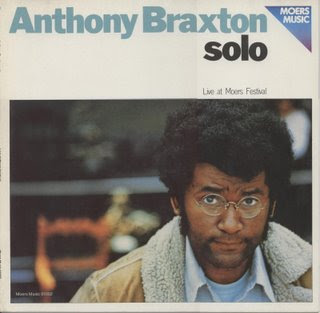
Anthony Braxton- Solo Live at Moers Festival 1974 LP

1/11/09- The Fall- I am Curious Oranj CD 1988
Anthony Braxton- Solo Live at Moers Festival 1974 LP
John Coltrane- One Down One Up: Live at the Half Note 2CD 1965
Cecil Taylor- Stereo Drive LP 1958
Cecil Taylor- Jazz Advance LP 1956
Andrew Hill- Andrew!!! LP 1964


Son House

MONDAY 1/5- Son House, like Mississippi John Hurt and Skip James, was a legendary early bluesman who stuck around long enough to get a nice helping of rediscovery acclaim. And the Columbia Roots ‘N’ Blues two disc collection is sterling documentation of an autumnal artist working through his songbook with the air of summation and satisfaction. Blues hardliners have complained the House’s playing here lacks the fiery sharpness of his indispensable early sides, and it’s true. But. BUT. There is often a but, and here it concerns the music’s clarity and warmth, which really brings out the beauty in the playing and helps to amplify the history and ceremony behind the recordings. And it’s not like they had to prop House up in front of the microphone. His voice is still strong and his playing limber and emotional enough to communicate clearly that he could still conjure up the essence of what made his music such a big deal to folklorists, collectors, and younger musicians. Canned Heat’s Al Wilson plays some backup here, and if that scares you it shouldn’t. He sounds fine, more than just a respectful accompanist while never trying to assert himself beyond the role of support. This is House’s gig, and he does a grand job of showing his stuff. The mix of tough and cutting slide blues and spirituals provides a sustained study in the inner conflict that often surrounded the lives of many blues greats, and when this is combined with House’s undeniable stature in the history of the music, this set acquires a magnitude that’s the equal to the late efforts of Hurt, James, Fred McDowell, Furry Lewis, or Mance Lipscomb. The last observation I’ll make is again concerned with recording technology, specifically how these sessions allowed House to stretch out and capture something closer to the way these songs probably existed in the more natural live setting instead of the truncated nature of the early 78rpm recordings. This is also true of the stuff Alan Lomax documented in the early 40s, but again, the aura of a professional, non-crap studio session really adds some deep flair to the seven minutes of the brilliant “Death Letter”. This whole thing is simply a big fat bumblebee’s golden kneecaps. Anybody who wishes to have their ass kicked by last century’s sounds of survival will most certainly be pleased with its contents.
Guru Guru were part of Germany’s Krautrock scene, and while they don’t have the name recognition of Neu!, Faust, Kraftwerk, or Cluster, they are perpetually bubbling under those groups and exist as an ever ready fix to those who’ve become addicted to the deep sonics of that regional era. The expanse and heaviness on display on their debut recording is quite attractive, and as a piece it fits snugly into the puzzle that was Europe’s ‘70s-era left-field rock excursion. Guru Guru also rub up against jazz in a way that makes them Continental bros-in-arms with bands like Soft Machine and King Crimson while basically sounding almost nothing like them. This is really great stuff that I’m just getting a handle on, so expect more musing at a later date.
My first thought about the full length by High Places was something close to “not as good as the earlier release available through Emusic”. My second listen made me rethink that, somewhat. This record is cleaner, more graspable and comes attached with the undeniable factor of familiarity and the expectations that can’t help but foster. Experiencing it a second time gave me the idea that while my hopes were initially somewhat dashed, they were confounded in a way which will likely lead to other eventual pleasures. I’ll let you know how it turns out.
Anybody who spends time digging in the fertile soil of free jazz history will encounter the name Sunny Murray. Due to longevity and the undeniable importance of many sessions where he left his contribution, he is essentially the key avant-garde drummer of the 1960s. Murray was a member of the Albert Ayler Trio, assorted Cecil Taylor groups, played with Archie Shepp and Dave Burrell, and released some major recordings under his own name. Where many free drummers of the era still held a loose grip on some type of recognizable jazz form, Murray was almost completely abstract in his engagement with his other musicians, and as a result helped to broaden the possibilities for the new music. Big Chief is a fine example of the large group intensity that was being undertaken as the decade closed, and it’s too bad it doesn’t have a larger reputation, for the recording sits quite nicely with the bolder, more uncompromisingly out sessions that were recorded for BYG or ESP at the same time. Murray’s leadership shouldn’t imply that this is a drum focused session, though his playing is outstanding throughout. It’s really a cooperative endeavor with the added attraction of hearing a bunch of under recorded players in fine form: Kenneth Terroade on tenor, South African Ronnie Beer on alto, obscure West Coaster Becky Friend on flute and Francois Tusques on piano are just three examples. Alan Silva had a touch more exposure, playing with both Ayler and Taylor as well as throwing down a wicked ESP release under his own name, but it’s still wonderful to have another session from this much underrated string improviser. Obscure photographer and writer Hart LeRoy Bibbs contributes a fine touch of tough poetics to the group, and a good basic reference point for Big Chief’s sound would be Albert Ayler, particularly on the massive closing piece “This Nearly Was Mine” by Richard Rogers, here transformed into a thick horn lament that recalls more than slightly Ayler’s Impulse! material. I still think Sonny’s Time Now is the best Murray release from the era, but this one is a major statement, loose and tough with an air in insistence about it. Any partisan of free jazz will want to know it.


Sunny Murray

TUESDAY 1/6- Sailin’ Shoes is a grand tour through the deluxe mind of the late Lowell George, a guy who could use a boost or three to his posthumous standing. His career was (at least in its first half) quite varied and interesting, featuring work with both Zappa’s Mothers and killing backup on John Cale’s brilliant Paris 1919 LP, and of course he led Little Feat, who kicked out an initial stream of albums that managed to integrate a bunch of different ingredients (blues, country, mild psych, funky New Orleans) into their sound in a very deft way. George’s integration of varying elements was smart but lacked the sometimes obnoxiously brainy aura of Zappa’s stylistic hodgepodge, plus he was refreshingly brief in an era polluted with blowhards. The debut is probably my favorite, but this record includes the powerful combo punch of the sweet reworking of George’s classic truck driving anthem “Willin’” (the equal to any song in the hippie-country canon, in my estimation) and the scorching bluesy grouchiness of “A Apolitical Blues”, which is possibly the most underrated blues ditty by a white-boy interloper from it’s era. But the whole damn record is a slice of prime junk. George’s slide playing is unique and seductive, his vocals never overstep into wailing minstrelsy (being smart enough to avoid aping his influences), and the total goes down smooth to the perfect degree. It’s true that the band overstayed their welcome, continuing long after George’s early death, and that professing admiration for the Little Feat in public means risking having to suffer the company of Jimmy Buffet fans, but when Sailin’ Shoes plays all that dissolves into nothing. It’s a fine statement from a once fine band, and that will always be welcome.
-

Linda Perhacs is one of the legions of one record wonders to be rediscovered and championed by contemporary artists as a euphoric chapter in the book of lost grails, in the case the freak folk edition, leather bound and reeking of patchouli. Her one record was underground in a way that is different from say Skip Spence’s Oar or Joe Byrd and the Field Hippies’ American Metaphysical Circus. These two were long established cult items, much bandied about before they were eventually given CD reissues and became entrenched as cornerstones of their wide open era. The Perhacs record endured a long period where it seemed to undeservedly sit in the vast sea of recorded ephemera, only being discovered, culted, and reissued with the arrival of the New Weird America/psyche folk movement. Devendra Banhart enthusiasm surely played a big part in this, but most of the credit for the records redemption should sit with Perhacs herself. The gradually creeping oddness in her folky, airy, proudly feminine sound is seductive over the course of the record, and by the time the inspired psyche derailment of the title track arrives, it is clear that the Parallelograms’ neglect was wholly undeserved. The introspective (bordering on melancholy, at times) feel of much of this will be welcome to those who are bugged by maypole frolicking, though methinks that pixies and sprites known to partake in that activity will find this appealing as well. She can also chug acoustically in fine fashion and provide a more popish side that is far more personally preferable to the Carly Simon-ish feel many gals of this era exuded (I’m more into Nyro and Mitchell, these days). This doesn’t dethrone Erica Pomerance’s blessed-out one-shot You Used to Think from its perch as the defining blast of gushing ‘60s femme-folk, but it doesn’t miss by much. The bonus cuts on the CD reissue are quite welcome and show Perhacs to be a smart, versatile artist that deserved so much more than to be queened as a cult figure. I want to hear the new stuff.

WEDNESDAY 1/7- I haven’t always loved The Pogues. I remember mildly digging the Poguetry in Motion EP when I bought it back in the late ‘80s but I stupidly traded it in for I think a Phantom Tollbooth record (that I don’t even own anymore). My other run-ins with the group never really resonated with me until about five years ago. I picked up the above album used for very cheap, thinking what the hell, here’s another one for the stacks. And I’m glad I did. While I am partially of Irish descent, I’m not at all weepy over it, so ancestral nostalgia has nothing to do with my change of heart. I just seem to have grown into its charms. Where they once seemed old hat and overly theatrical, they now seem (on this record anyway) shrewd and well constructed conceptually. And pretty. And theatrical in the best way possible. Elvis Costello’s production might be a tad middle-of-the-road for my tastes, but he does nothing to sabotage the proceedings, so maybe I should just be quiet. This band’s music has been the soundtrack to so many loutish drunken nights from aging malcontents obsessing over their place in the world and the genetic stamp of their being that the industry’s of stout and whiskey should pay them a large stipend. There’s no doubt these cats sound best when you’re half blasted and simultaneously soaking up emotions like a sponge and secreting them like a spastic lawn sprinkler, but they can also be endearing on a sober cold-weather night alone. I feel so mature.
-

I’ve been connected with the music of Fred Firth for over half my life. He’s just a monster of the experimental guitar and his passionate openness to so many different types of music and his participation in a bunch of varied “scenes” made it almost impossible for my inquisitive young mind to not cross his path. I was tired of the little box that punk rock had become and was dipping into some of the more esoteric releases on SST records, Frith’s 2LP The Technology of Tears being one of the first. I was curious about The Residents, and he was a major presence on their Ralph records imprint, both as a guest and stand alone artist. I found his name on my copy of The Violent Femmes’ The Blind Leading the Naked. The more I dug into the records on Mark Kramer’s Shimmy Disc label, the more familiar he became. Indulging in Eno’s brilliant streak of ‘70s albums found him on Before and After Science and Music for Films. I scored a tattered copy of the first Henry Cow album because a fellow King Crimson fan recommended them, and discovered he was charter member. And impulsively buying the first Naked City record on cassette sealed the deal: his mark on my then meager record collection was secure, and this was completely due to his eager interaction with a bunch of musicians whose paths normally didn’t cross. Thing is, the guy is still going strong. Frith has always stood with Eugene Chadbourne and Henry Kaiser in a righteous triangle of avant guitarists that never lost touch with their non-experimental roots, and To Sail, To Sail has moments that recall everything from Fahey, Cooder, Kaiser, Bailey, and a whole lot of Fred Frith. His music has inviting warmth even at its most abstract moments, and the record generally heads into less definable territory as it progresses. It’s just him and a steel string acoustic, and the textures, tones and movement he can dash off is nothing short of fantastic. If you are a novice to his work, this would work as a start I think, but it’s also hard to not advise jumping in with Guitar Solos Volume One and the first Henry Cow record (both available on EMusic for the cost conscious). It’s coming up on forty years since he began examining and expanding the possibilities of stringed instruments, and after appearing on 400 plus recordings, he’s as vital as ever.

THURSDAY 1/8- Shark Quest should frankly be much better known. The reality of the band’s non-post rock eschewal of a vocalist and their often Americana-influenced direction certainly play a part in their lack of widespread rabid fandom, but they’re great enough to overcome these unfair obstacles and the fact that this has yet to happen is a sad state of affairs. Battle of the Loons is their debut and it displays a major helping of dexterous musicianship while keeping the lid on the pressure cooker of needless showiness. The examination of roots is evident without turning the proceedings into a phony knee-slap fest, with many moments actually holding more than just a whiff of the conservatory. This appeals to me very much, but the lack of a convenient handle might befuddle many. The deeply bowed tones on the opener “Blake Carrington” sound more New York than North Carolina, and the whole disc lacks any easy gestures to popularity. Two more records have been released without much change in their circumstances, and I can only hope they haven’t called it a day. It would be great to see them at this year’s Merge anniversary shindig, but without a new album to promote that’s not likely to happen. Maybe Shark Quest is destined for posthumous acclaim. If so, I’m going to lord it over all you mofos.

FRIDAY 1/9- This Bill Dixon release is my pick for the best of 2008. It’s been with me for months but I’m still a little scared of it from a writing standpoint. Last year’s resurgence in things Dixon was one of its most pleasant surprises. This record, the collab with Rob Mazurek’s Exploding Star Orchestra, and the sudden slew of older releases available for inexpensive legal download really put him on the radar screen as something other than just an intriguing figure in free jazz lore. Tons of people knew him as the man behind the legendry 1964 October Revolution in Jazz , and many heard him in tandem with Archie Shepp and as a member of Cecil Taylor’s smoking group circa Conquistador!, but his Intents and Purposes album for RCA from ’67 is still criminally out of print, and he dropped out of the pro music scene for academia in Vermont for such a long period that when he started recording again for Soul Note in the ‘80s he dented the consciousness of many avant-jazz fans but didn’t concuss enough perceptions to take his rightful place as one of the elders of free jazz. In Dixon’s case free is a descriptor in need of clarification, since he is foremost a composer, and Darfur can indeed feel at times like modern avant-classical. It can gather a sheer intensity that’s left me awestruck and unable to follow it up with anything but silence. The group is largely made up of fresh names and a few older, more established players like trombonist Steve Swell, bassoon player and Jimmy Lyons/Cecil Taylor cohort Karen Borca, and percussionist/vibe player Warren Smith. Shit-hot Braxtonian Taylor Ho Bynum is here as well, and the whole group possesses a collective musicality that results in devastating excursions into Dixon’s sound world; nary a note is tentative. I’m pleased as punch that this record exists, that the man responsible made the cover of The Wire, that divergent opinions are flying to and fro in cyberspace concerning him, and that his pendulum of fortune is finally starting to swing the other way. The next time some smarty tries to opine that jazz is dead I’m going to ask them why this disc made the hair stand up on my arms. Moribund music doesn’t do that. Intents and Purposes needs to become available (what asshole corporation owns the RCA back catalogue, anyway?), and hopefully Dixon has a follow up to this one in store. I’d like to see him pluck a few folks from this group and throw down some spirited improv. Or a solo disc. Or a duo with Cecil. Keep ‘em coming, Bill!
Bill Dixon

SATURDAY 1/10- Art Blakey’s impact on jazz is pretty much impossible to measure. He’s one of the absolute cornerstones of post-bop, and his groups featured so many amazing players, particularly in the second half of the ‘50s, that listing them is rather daunting. So I’ll just mention the names on this one. Wayne Shorter on tenor, Freddie Hubbard (RIP) on trumpet, Cutis Fuller on trombone (if the name doesn’t ring a bell, he slays on Coltrane’s Blue Train), Blue Note mainstay Cedar Walton on keys, and Blakey regular Jymie Merrit on bass. Any version of The Jazz Messengers that I’ve heard is loaded with infectious and adept rhythmic passages, but I’ve yet to cross the path of one that slides into overzealousness. I’ve thus far stuck to the more established classics, not dipping into the later releases that spanned into the ‘80s, so I can’t really venture a complete synopsis of his talents. One thing that I’ve noticed about the more canonical records is how generous Blakey was with his younger band members. Everyone has ample opportunity to shine as a soloist and to display their songbook. Two tracks are courtesy of Walton (“Mosaic” and “The Promised Land”), and we get one a piece from Shorter and Fuller (“Ping Pong” and “Arabia”, respectively). That leaves one standard, “It’s Only a Paper Moon”. The whole record simmers with the rare intuitiveness that makes the best post-bop more than just a study in chops. Blakey certainly asserts himself; the drums connect in a way that’s unique in the context of this era, but it never feels like showmanship. He’s a supreme catalyst. And everybody on this thing is catalyzed. So am I. I basically spun this one because I wanted to hear so prime Hubbard, his recent passing sticking in my mind. He delivered, but I ended up receiving a lot more for my interest. Post-bop doesn’t get much better.
And avant-garde troubadours don’t get much better than Anthony Braxton. This solo disc taped live in Germany’s Moers Festival finds him running roughshod over an alto sax with so much savvy that I’m surprised the instrument didn’t liquefy in his hands. The danger in solo improvising is running out of ideas (plus there is nobody else to provide inspiration except possibly an audience, but more about them in minute). I’ve yet to hear Braxton lose focus or intensity in the solo setting. Much like Cecil Taylor, the guy never appears to be going through the motions, and the nakedness of playing alone insures that he couldn’t even if he wanted to. The sound is at moments raw, contemplative, joyous, complex, and simple. It’s always demanding and rewarding. The crowd in attendance seemed to think so as well. They thunder out applause like a bunch of plebs pleading Pete Frampton for a fourth encore in ’78. The Germans sure know a good thing when they hear it.

SUNDAY 1/12- Mark E. Smith’s The Fall formed when I was five years old. Smith just keeps on trucking seemingly for the sheer hell of it, and the longevity has surely cost them some legendary status. If he’d quit around ’85 I feel safe in estimating that The Fall would be held in much higher esteem then they already are. I’m not accusing the populace of objectifying image and obscurity. The band has so many records out they need their own special cabinet to hold them all, and if an unschooled gal or guy gets gestured toward their stuff without specifically being guided to start early and stay late, then false impressions could easily result. Ditto to bumping into a vitriolic screed lobbed against a recent release in an internet magazine, or seeing a snapshot of his uncomely snaggle-toothed speed-damaged countenance: all of the above has likely steered more than a few folks away from the grandeur that is The Fall. Suffice to say, Pavement wouldn’t exist in anything resembling their collective reality if Smith didn’t blaze his maddeningly seductive trail. Slanted and Enchanted owes so much to their brilliance that spinning it next to the masterpiece Grotesque has no doubt dropped thousands of jaws. It did mine. Oranj is from the Beggar’s Banquet-era, which some people love and others are more blasé over. This period was my intro to the group (besides “Bingo Master’s Breakout” and a Peel Session EP), so it will always have a special place. It’s a score for ballet that’s at least somewhat concerned with William of Orange, but it doesn’t feel particularly unusual in the context of The Fall’s discography, the opener “New Big Prinz” is quite attractive, partially because Smith’s voice was so much stronger in the mix during this era, and this particular release regressed from the poppier study of the previous album The Franz Experiment (still a great album with a sweet cover of The Kink’s “Victoria”). So this is the best of both worlds in a sense. “Dog is Life/Jerusalem” starts like a sound clip from the greatest poetry reading ever held and morphs into a rather rad piece of Smith’s skewed crooning (with lyrics courtesy of William Blake), “Wrong Place, Right Time” is a righteous stomper, and the title cut is just drenched in Smith’s stammering blabbering greatness. And there’s more. If you’re a newcomer I say locate Live at the Witch Trials and get bowled the fuck over. But don’t forget about this one. It has a special appeal that hasn’t waned with time.

If you’re a Coltrane nut like I am, then you very likely already own One Down, One Up. The legit issue of this tape may not be as unexpected as the Thelonious Monk/Coltrane disc that was released the same year, having already been bootlegged, but the fact that it’s now available as an above board release adorned with outstanding Impulse! packaging is wonderful to behold. My top two live recordings from Coltrane are the scalding two discs of Live in Seattle and the behemoth monster four disc explosion of Live in Japan, and due to the circumstances surrounding this release it won’t topple either of those from their elevated status. Live at the Half Note is radio broadcast recordings that are indispensable and often incendiary in nature but suffer from attributes which diminish the whole without detracting from the overall worth of the release. The title cut, which many will know from the brilliant New Thing at Newport, is only partially recorded, picking up in Garrison’s solo, and this can’t help but lessen the impact, a bit like re-watching Two Lane Blacktop or rereading The Dharma Bums from the middle. Naturally not as good as the whole picture, but this isn’t really a fault, for what’s gained is an extended opportunity to catch a captured glimpse of Coltrane’s group in full blossom. Captured is an important descriptor, since this again was a radio broadcast, not a professionally recorded live record. I don’t think anybody involved with the music documented on this night thought for a second that forty odd years later it would be a prestige release from one of the greatest groups of all time. It’s safe to assume that this was just another night for these guys, another radio air check to be absorbed by the live audience and those with ears attuned to radio speakers, to be enjoyed or rejected or puzzled over and possibly discussed but filed away in memory banks shortly thereafter. Maybe a few dozen trips to the record store would result. Maybe some moldy fig would call up the station and complain. Perhaps two people would make love or a person sitting alone in darkness would be brought to tears. This is what makes One Down, One Up so valuable: the audio-paparazzi factor, where these four giants were working through the sound that gave them their stature in a manner simultaneously everyday and euphorically transcendent. It’s recordings like this that really separate this band from so many other estimable combos. The contents herein were just natural stuff to them, like breathing: listen and hear one of the high-water marks for humankind.
Coltrane plays on Taylor’s Stereo Drive, a weird, neglected and often maligned record. It’s well established that the young Taylor, while not then the blistering keyboard genius that flowered in the ‘60s to be perpetually in bloom ever since, was a bit above the comprehension of producers and studio execs of the era. Profit motive is the obvious factor in teaming up Taylor and ‘Trane, but it still made sense artistically. The big problem with this recording relates to trumpet player Kenny Dorham. It quickly becomes clear that he and Taylor weren’t really on the same page. All the momentum that builds up through the connection between Coltrane’s opening sax salvo and Taylor’s knotty phrasing is considerably flattened when Dorham appears and improvises like he’s at another session. Maybe he thought he was. It’s not horrible sounding, but is a bit depressing, with the occasional twitch of fascination about it. Taylor’s playing shifts considerably at these moments, leveling out because he lacks a partner to work with/against: instead he’s sharing studio space with a guy blowing straight-ahead like the Blue Note regular he was. No slight to Dorham (who I love in many other contexts) but this is just an undisputed mismatch. To see just how contained Taylor is here one need only listen to Jazz Advance, recorded two years earlier with sympathetic peers Steve Lacy, Dennis Charles and Buell Neidlinger. This was the start of it all for Taylor, and the recording still holds an electric feel that gives truth to its title. It’s interesting that Lacy and Neidlinger jumped straight into the avant-garde from trad-jazz, sounding inspired and comfortable in the idiosyncratic atmosphere of Cecil’s keyboard construction. Many groundbreaking recordings eventually lose their front-line qualities as time passes to either sound classic or quaint. Jazz Advance still holds considerable edginess, largely because Taylor’s piano is so singular, with the added fact that his cohorts on this session were truly involved in making it something timeless.